
Delhi’s Record-Breaking Power Demand Without Collapse
Indiadailyupdate.com – On June 29, 2026, at 3:17 PM, Delhi set a new electricity demand record that will be remembered for its significance, not just its magnitude. The State Load Dispatch Centre (SLDC) logged the capital’s highest-ever consumption of 8,748 MW, surpassing previous peaks in both the current financial year and the city’s history. This achievement marks a turning point in Delhi’s energy resilience, proving that the system can handle extreme loads without faltering.
A Milestone in Resilience
For years, Delhiites equated record electricity usage with blackouts, strained transformers, and extended power failures. The 2024 peak, for instance, saw disruptions in the BSES Yamuna area, where a cable fault in Karawal Nagar and a transformer breakdown near Mandoli left over 4,400 consumers without power for nearly an hour. Similarly, Tata Power-DDL faced four separate issues, including a snapped conductor and a burnt low-tension cable, impacting 2,000 users. These failures occurred within Delhi’s own grid, during the most critical hour of demand.
“Buying more power is pointless if the wires cannot carry it.”
This year, however, the system held strong. Despite carrying its heaviest-ever load, Tata Power-DDL reported only one minor disruption, affecting 259 consumers. BSES Yamuna saw no major network failures, while BSES Rajdhani’s high-tension breakdowns dropped from 24 in FY24 to 14 in FY25, even as power supply hit record levels. These numbers reflect a broader trend: during peak-load hours, outage figures have plummeted from 3.6 lakh consumers in FY24 to just 259 this year.
The Backbone We Inherited
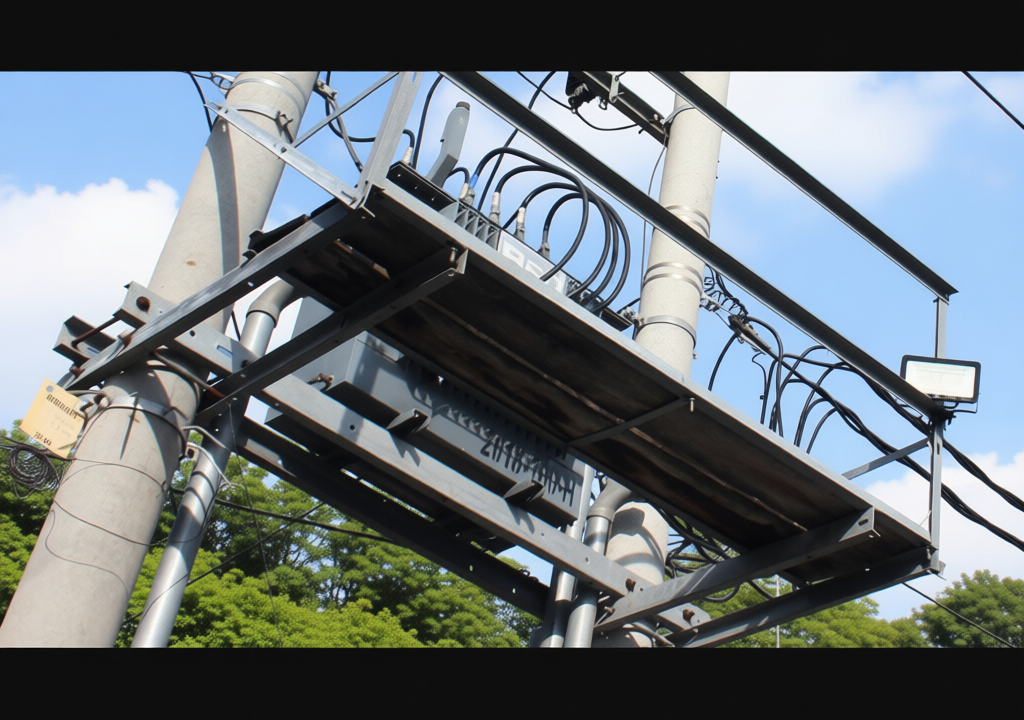
The recent success wasn’t accidental. Upon taking office, the government initiated a thorough assessment of Delhi Transco’s infrastructure. The findings were stark—78 of the 183 power transformers had exceeded their operational lifespan, with 42% needing replacement. Despite repeated tender cancellations and rising demand, the focus shifted to strengthening the grid. This year’s upgrades included the installation of eight transformers and 362 distribution units by Tata Power-DDL, along with 156 new feeder lines. BSES Rajdhani expanded capacity beyond its three-year average, while BSES Yamuna reinforced sections that had failed in 2024.
At the transmission level, twelve aging Delhi Transco transformers are already being replaced, with nineteen more scheduled. The results from June 29 are a direct outcome of these efforts, showcasing a grid that is no longer a bottleneck.
Racing the Thermometer
Preparation began long before the heatwave struck. In July 2025, the Power Department, Delhi Transco, and the three DISCOMs collaborated to develop a joint summer strategy. Power was procured well in advance through long-term contracts, bilateral agreements, and market purchases, with financial buffers to manage seasonal fluctuations. The team also leveraged cutting-edge tools like AI forecasts, digital twin models, and smart-meter data to identify vulnerabilities early. Battery storage systems were added to provide backup during surges.
Behind these measures, the SLDC’s control room operated continuously, monitoring the grid via SCADA systems, conducting thermal scans, and deploying night managers and repair crews with spare parts ready. This proactive approach enabled Delhi to manage two distinct summer peaks: the traditional afternoon surge from businesses and the sharper midnight demand driven by residential use. A decade of data shows that for every degree of heat, electricity consumption rises by approximately 120 MW.
Delhi’s recent performance proves that the city can now meet its highest demands without systemic collapse. The grid’s strength, once a cause for concern, has become a testament to sustained investment and strategic upgrades.