OPINION | The Climate Narrative We Keep Misreading
Beyond the Familiar Script
Indiadailyupdate.com – Each summer brings quiet revisions to heat protocols across India’s most vulnerable states. Monsoon seasons trigger warning mechanisms honed through generations of experience. When crops fail, self-help networks cushion the blow long before official relief channels open. We don’t label these actions as climate leadership. We call them implementation.
This gap between leadership and execution—between knowing and doing—represents the core misunderstanding in global climate discourse. India illuminates this problem more clearly than nearly any other nation.
The conventional climate narrative operates with two primary figures. Communities bear the burden: affected, resilient, in need of assistance. Institutions provide the answer: governments, funders, international organizations. Knowledge flows downward. Impact accumulates at the grassroots level.
This framework feels intuitive. Yet it captures only half the picture. Most climate work in India occupies neither pole. It lives in the middle ground.
Where Climate Intelligence Actually Resides
District administrators continuously refine heat response strategies. SEWA’s extensive networks stabilize livelihoods within climate-vulnerable economies. Urban waste collectors navigate extreme temperatures without anyone connecting their work to climate adaptation.
These individuals aren’t merely applying solutions designed elsewhere. They’re constructing the entire system. Still, climate narratives relegate them to supporting roles at best.
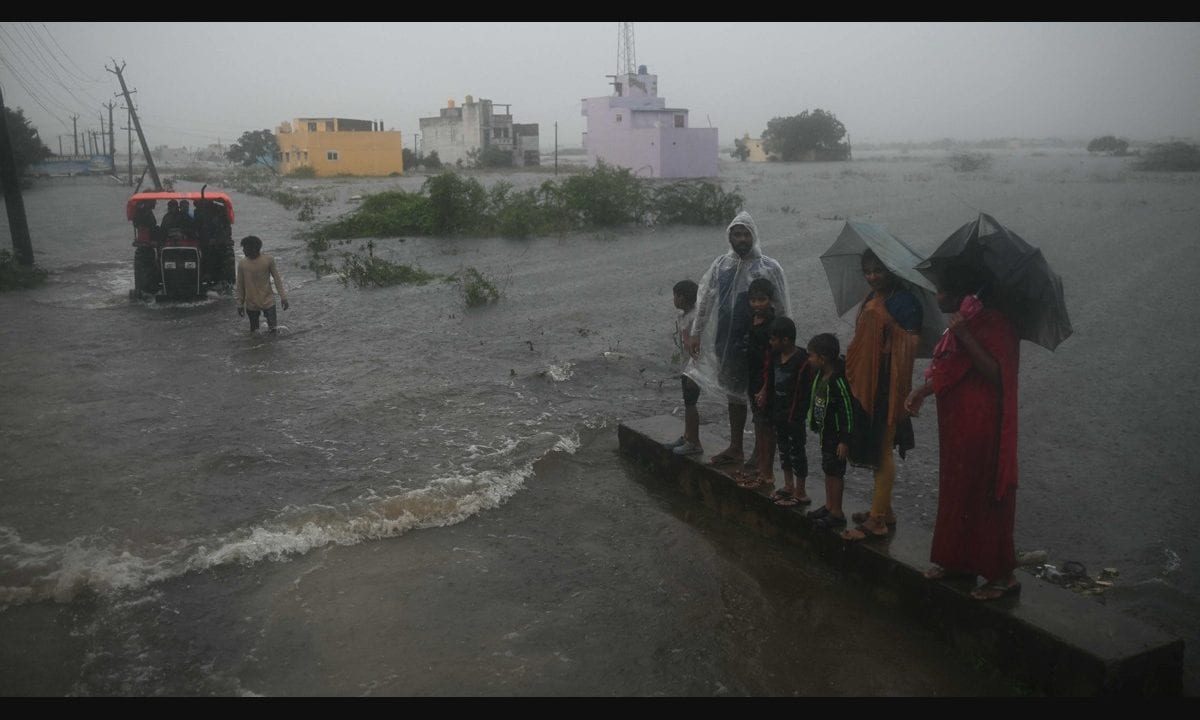
India doesn’t represent an exception. It serves as a clarifying example. Climate here isn’t occasional. Heat functions as a seasonal employment reality. Flooding represents administrative routine. Water scarcity shapes governance landscapes.
Consequently, climate response doesn’t concentrate within flagship initiatives. It spreads across institutions, sectors, and informal arrangements that have adapted for generations.
Odisha’s cyclone readiness framework—forged through repeated catastrophic events—now receives international attention. Yet observers rarely frame it as knowledge creation. They present it as disaster management. This distinction carries weight. One approach positions local actors as authorities. The other casts them as beneficiaries of superior external systems.
A Continent Away, The Same Pattern
India shares this misreading with other regions. Bangladesh’s Cyclone Preparedness Programme, developed over five decades through grassroots learning, safeguards millions through a volunteer network that remains predominantly local in both design and direction.
East African smallholder farmers simultaneously make real-time adaptation choices—modifying crop selections, recalibrating planting schedules, optimizing water use—without any external program dictating their approach.
The Global South isn’t passively awaiting climate solutions. It’s actively constructing them through methods the prevailing narrative struggles to recognize.
These oversights extend beyond journalism. Funding tracks visibility. When comprehensive systems work stays hidden, it fragments into short-term initiatives. When local innovation goes unrecognized, it gets rediscovered elsewhere and attributed to different actors. When implementation loses its epistemic worth, practitioners in one region never learn from successes elsewhere because those successes were never presented as worth studying.
What Must Shift
Climate practice has already outpaced climate storytelling. Decision-making decentralizes. Adaptation becomes iterative. Solutions emerge locally, shaped by constraints, assembled in real time.
Narratives lag behind. We persist in describing climate action as a downward flow from global expertise to local execution—even in well-meaning accounts that intend to reverse this dynamic.
The necessary transformation isn’t complex, but it demands intention. We must treat a district official modifying flood protocols after each monsoon as a climate expert. We must recognize a women’s cooperative reconstructing informal credit mechanisms after harvest failure as climate infrastructure. We must understand that a rural health worker monitoring seasonal disease patterns linked to climate stress generates knowledge—not merely delivers services.
The Global South possesses abundant climate stories. It lacks acknowledgment of what qualifies as one.
Until we expand our definition, we continue missing the most important climate story of all.