OPINION | The Gen Z Blueprint: India’s Youth Redefine Governance
A New Generation Demands Change
Indiadailyupdate.com – India stands at a pivotal moment as its youngest citizens reshape expectations for how the nation should be governed. According to OPINION | The Gen Z blueprint, this demographic shift represents something unprecedented in Indian history. With sixty-five percent of the population under thirty years of age, the country has witnessed a remarkable transformation in how its youth engage with civic responsibility. Those born between nineteen ninety-six and two thousand twelve—collectively known as Generation Z—have grown up with unprecedented access to social media, improved transportation networks, and enhanced communication channels. Yet these same young people face narrowing opportunities despite their persistent efforts within an increasingly rigid system.
The recent Central University Joint Entrance Examination protests represent far more than a student movement. They embody a broader demand for transparency, accountability, and competent governance. The resignation of Education Minister Dharmendra Pradhan signals progress in this direction, demonstrating that responsibility toward citizens remains central to democratic values. Such accountability ensures transparency in decision-making processes and strengthens legislative competency—principles that deserve genuine commitment from those in power.
The Crisis of Paper Leaks
Exam paper leaks have troubled India for decades, but their current scale and frequency have reached extraordinary levels. This crisis intersects with other pressing challenges: the rising cost of living and an urban youth unemployment rate of fifteen percent according to the Periodic Labour Force Survey. For millions of aspirants, examinations remain one of the few pathways toward upward social mobility. When papers leak, entire dreams of a better future crumble simultaneously.
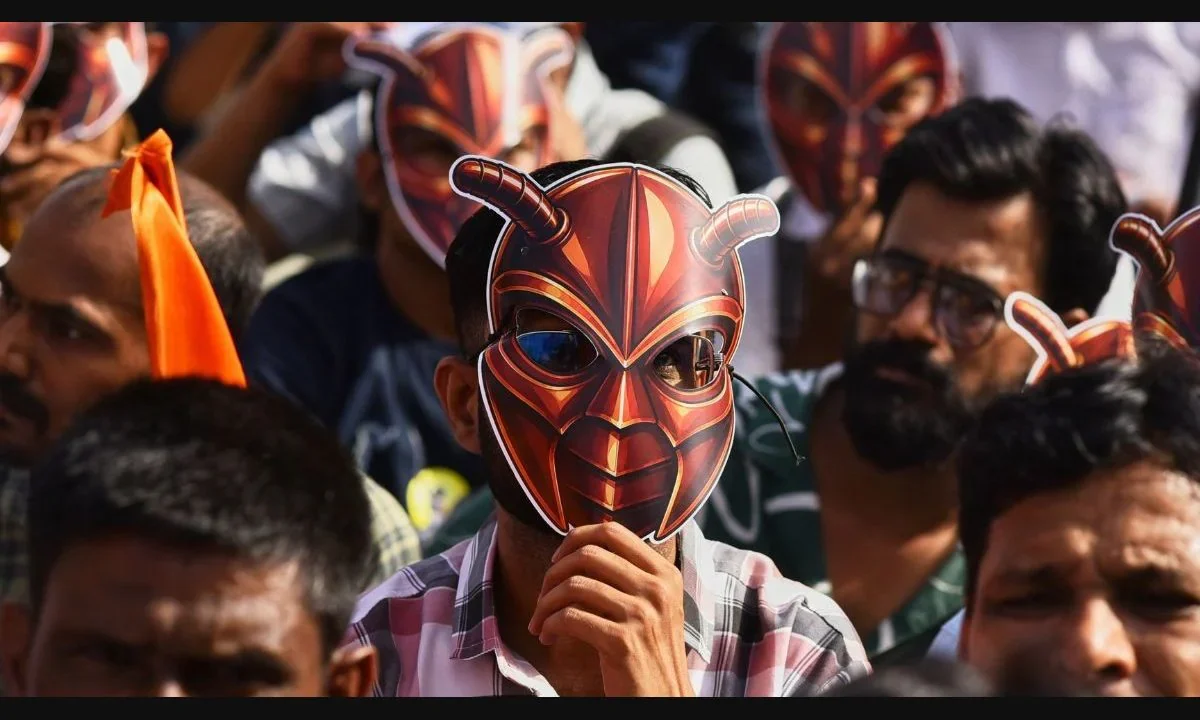
The origins of the current movement trace back to a moment of profound disillusionment. When Chief Justice of India Surya Kant described certain individuals as “cockroaches,” the term was quickly embraced by protesters as a symbol of their marginalization. This incident, combined with media focus on cultural debates rather than economic realities and government reluctance to acknowledge responsibility for national-level examination failures, created fertile ground for widespread mobilization.
A Non-Partisan Movement Takes Shape
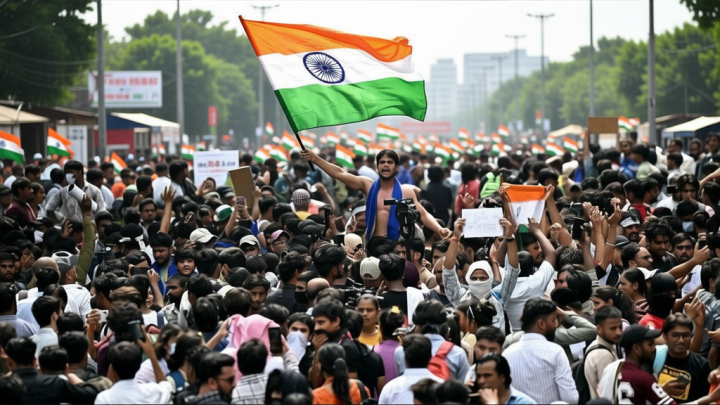
The “Sansad Chalo” march on July twentieth drew unprecedented support across the country precisely because it transcended traditional political divisions. Paper leaks affect everyone regardless of party affiliation. Students demonstrated remarkable strategic intelligence by observing successful protest movements both domestically and internationally. They maintained discipline among participants, exercised restraint during police lathi charges, and limited their slogans to keep focus on core demands rather than allowing the movement to devolve into chaos.
India’s age-old tradition of non-violent and satyagraha protest pioneered by Mahatma Gandhi was on powerful display.
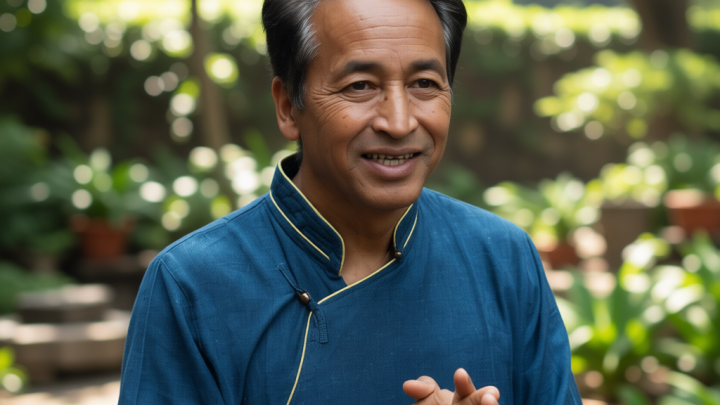
Sonam Wangchuk’s hunger strike proved instrumental in directing national attention toward the NEET examination controversy. Students drew inspiration from historical figures like Babasaheb Ambedkar while reviving slogans such as “Pradhan Go Back!”—a direct reference to the nineteen twenty-seven “Simon Go Back!” movement against the all-white Simon Commission.
Government Response and Constitutional Rights
The government’s use of state instruments—including lathi charges, pellet guns, expired tear gas shells, and internet blackouts in the Jantar Mantar area—ultimately backfired. These measures illustrated how far authorities had drifted from their stated vision of good governance. Additionally, instructions given to Delhi University and Jawaharlal Nehru University students not to participate in the movement appeared designed to undermine organic grassroots participation.
However, Article Nineteen of the Constitution clearly guarantees the right to peaceful assembly without arms, placing such demonstrations well within constitutional boundaries. For years, Generation Z has been dismissed as “keyboard warriors” and “Instagram influencers” lacking genuine commitment to sustained activism. This movement fundamentally altered that perception.
The apolitical, perpetually online youth finally found their collective voice. Their demands remain straightforward and equitable: the right to education, the freedom to protest, fair employment opportunities, governmental accountability, and decisive action against corruption. Engaging meaningfully with this movement could serve as a catalyst for comprehensive reforms across multiple sectors. Rajesh Mehta, an international affairs expert specializing in