Supreme Court Directs Separate Space for Muslims to Offer Namaz on Fridays
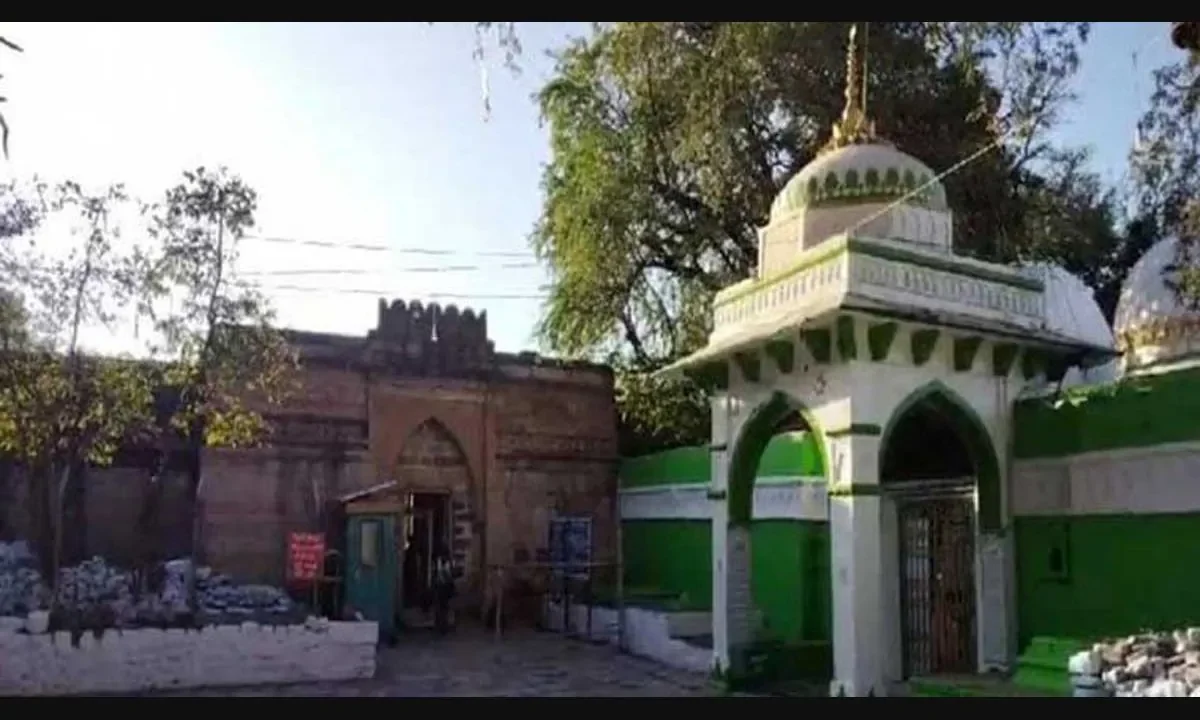
Indiadailyupdate.com – In a significant ruling, the Supreme Court has mandated the creation of a dedicated space for Muslims to offer their Friday prayers at the Bhojala-Kamal Maula Mosque complex in Dhar, Madhya Pradesh. This directive, issued as an interim measure, follows a legal dispute over the site’s religious status, which was initially determined by the Madhya Pradesh High Court in May. The High Court had classified the complex as a Hindu temple dedicated to Goddess Saraswati, prompting concerns about the rights of the Muslim community to practice their faith. The Supreme Court’s order aims to ensure that Muslims can perform their namaz on Fridays without conflict, while the final resolution of the case is pending.
Legal Context and Temporal Framework
The directive from the Supreme Court was delivered by Justice Surya Kant, Justice Joymalya Bagchi, and Justice V Mohana, who emphasized the temporary nature of the separate space for Muslims to offer namaz. The court specified that the designated area should be available between 1 and 3 pm, allowing for the uninterrupted practice of Islamic rituals. The case was assigned to a bench of the Chief Justice of India (CJI) for further deliberations, highlighting the importance of maintaining balance between the two religious communities. This interim solution underscores the court’s intent to prevent potential unrest while the legal proceedings unfold.
The legal battle surrounding the Bhojshala-Kamal Maula Mosque has drawn national attention, as it touches on the broader issue of religious rights and historical ownership of sites. The Supreme Court’s decision to allocate a separate space for Muslims to offer namaz follows a series of rulings by the Madhya Pradesh High Court, which initially revoked an Archaeological Survey of India (ASI) order from 2003. That order had permitted Muslims to hold prayers at the site, a move that was contested by Hindu activists. The court’s directive now provides Muslims with a temporary solution, while the ASI is required to approve any structural modifications to the complex.
Preserving Harmony and Ensuring Fair Practice
Chief Justice of India (CJI) underscored the sensitivity of the matter, cautioning that missteps in the interpretation of the site’s religious status could escalate tensions. He noted that the High Court and the state government’s handling of the issue had been scrutinized, and the interim arrangement for Friday prayers is intended to uphold peace in the region. The CJI emphasized that the court remains open to hearing the case on a daily basis, ensuring that all stakeholders have an opportunity to present their arguments. This approach reflects a commitment to resolving the dispute through dialogue and equitable representation.
“These are highly sensitive matters. Any misstep could send the wrong signal. We must be cautious with our language, as the High Court and the state’s inability to manage law and order have been noted. That’s why we thought this approach was necessary,” the CJI remarked.
The Supreme Court’s focus on providing a separate space for Muslims to offer namaz on Fridays highlights the importance of religious freedoms in India’s diverse socio-cultural landscape. The directive not only addresses the immediate concerns of the Muslim community but also sets a precedent for future disputes involving shared religious sites. By allowing temporary use of the designated area, the court acknowledges the need to respect both communities’ traditions while awaiting a definitive ruling on the site’s historical and religious significance. This balance is crucial for maintaining national unity and preventing communal tensions.
Community Reactions and Implications
Reactions to the Supreme Court’s directive have been mixed, with Muslims expressing relief at the temporary solution, while Hindu groups await the final verdict on the site’s status. The Muslim community has been actively seeking a separate space for namaz, as the existing layout of the Bhojshala-Kamal Maula Mosque complex has been a point of contention. Legal representatives of the Muslim side welcomed the order, calling it a step toward protecting their religious practices. Meanwhile, Hindu activists have reiterated their belief that the site is historically significant and should remain a temple. The court’s decision to allocate a separate space for Muslims to offer namaz is seen as a compromise that upholds both religious identities.
The allocation of a separate space for Muslims to offer namaz has also raised questions about the future of the mosque and its relationship with the temple. The Supreme Court’s directive mandates that the Muslim community must secure an alternate location for constructing a new mosque, ensuring that the existing structure remains accessible to both communities. This requirement may influence the architectural and functional design of the new space, as it needs to accommodate the needs of the Muslim faithful while preserving the site’s religious integrity. The case is expected to be revisited in the coming months, with the court remaining open to further input from all parties.
As the legal proceedings continue, the separate space for Muslims to offer namaz on Fridays serves as a tangible reminder of the court’s role in safeguarding religious rights. The directive not only provides a temporary solution but also sets a framework for resolving similar disputes across the country. With the potential for the site’s status to be redefined, the Muslim community’s ability to practice their faith remains a central concern. The Supreme Court’s interim measure ensures that the issue is not left unresolved, allowing for ongoing dialogue and a fair resolution that respects the rights of all religious groups involved.