Shiv Sena Turf War Reaches Supreme Court Over Six MPs’ Switch
The Constitutional Dispute Unfolds
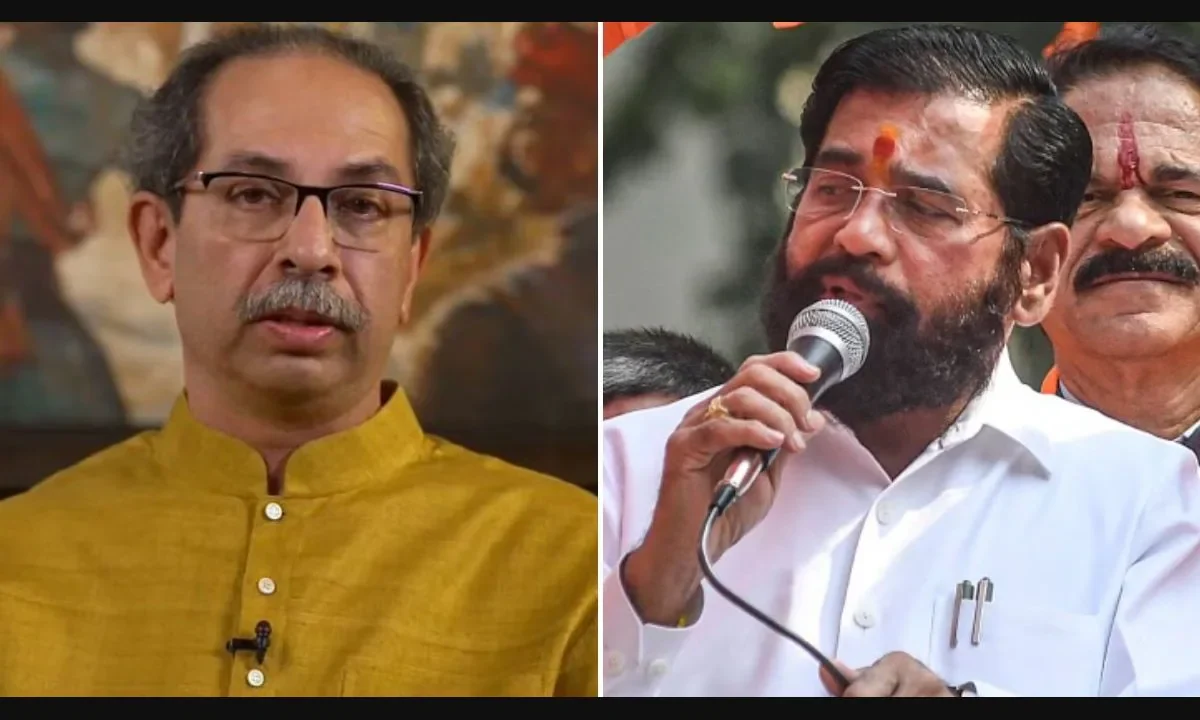
Indiadailyupdate.com – The Shiv Sena turf war reaches a critical juncture as the Uddhav Thackeray faction initiates a legal challenge against the recognition of six MPs who defected to Eknath Shinde’s faction. The case has been filed with the Supreme Court, aiming to address the constitutional validity of the Lok Sabha Speaker Om Birla’s decision to validate the merger. Senior advocate Devadatt Kamat, representing the Uddhav faction, emphasized the significance of the issue, stating that the Speaker’s approval has disrupted the party’s parliamentary operations. This development underscores the broader tensions within the Shiv Sena, a political party known for its strong regional identity and internal power struggles.
Legal Framework and Defection Process
According to the Tenth Schedule of the Constitution, the anti-defection law requires a two-thirds majority for a party to merge or split. Shinde’s faction claims that the six MPs who defected met this threshold, thereby legitimizing their switch. The process involved meticulous legal documentation, including video evidence of the meeting with the Speaker, which was submitted as part of the merger application. However, the Uddhav faction argues that the Speaker’s decision does not account for the broader implications of the merger, such as the potential fragmentation of the party’s ideological unity. This dispute has now escalated to the Supreme Court, where the legal battle over parliamentary merger recognition is set to unfold.
“The Speaker’s recognition of the merger is a pivotal moment. These six MPs have successfully navigated the legal procedures, but the process lacks transparency. The decision impacts not just the party’s internal dynamics but also the stability of the Lok Sabha,” Kamat stated during the court hearing.
The Uddhav faction’s challenge centers on the interpretation of the Tenth Schedule, which they believe mandates the entire party to consolidate rather than allowing a subset of legislators to defect independently. This argument hinges on the principle that a merger should reflect the will of the party as a whole, not just its legislative representatives. The Supreme Court’s involvement is crucial to clarify whether the Speaker’s authority to recognize mergers is absolute or if it must align with the party’s broader constitutional framework. The outcome of this case could set a precedent for future defections within the Shiv Sena and other political parties in India.
Political Context and Implications
The Shiv Sena’s internal strife began after Eknath Shinde’s faction split from the Uddhav Thackeray leadership in March 2026. This division has led to a power vacuum, with both factions vying for control of the party’s parliamentary strength. The defection of six MPs to Shinde’s group not only boosted his faction’s Lok Sabha presence but also intensified the competition for influence within the party. The Uddhav faction, which had been leading the party since its formation, now faces a significant challenge in maintaining its dominance. This situation highlights the fragility of the Shiv Sena’s unity and the potential for further splits if the Supreme Court rules in favor of the Shinde faction.
“The Speaker’s decision has created a rift that could redefine the Shiv Sena’s political landscape. If the merger is upheld, it could lead to a more fragmented party structure, affecting its ability to function cohesively in Parliament,” remarked Sanjay Raut, a prominent leader in the Uddhav faction.
The legal proceedings are expected to draw attention to the role of the Lok Sabha Speaker in resolving intra-party disputes. Critics argue that the Speaker’s prompt recognition of the merger may have been influenced by political considerations, rather than a strict adherence to the Tenth Schedule. This has raised questions about the impartiality of the Speaker’s office in such matters. Meanwhile, the Shinde faction asserts that the merger was a well-structured process, with all necessary steps completed to ensure compliance with constitutional rules. The Supreme Court’s ruling will be a decisive factor in determining the legitimacy of the defection and the future direction of the Shiv Sena.
Historical Precedents and Party Dynamics
While the current dispute is unique, it echoes past instances of intra-party conflicts within the Shiv Sena. Historically, the party has experienced factional splits, often leading to significant shifts in its political strategy and public perception. The recent defection of six MPs is part of a larger pattern of internal power dynamics, where loyalty to a faction can influence legislative decisions. The Uddhav faction’s challenge is not merely a legal move but also a political statement, aiming to reinforce its authority and consolidate support within the party. The Supreme Court’s decision is likely to be scrutinized closely by both factions and the wider political community, as it could shape the party’s trajectory in the coming months.
“The Speaker’s recognition of the merger is a major blow to the Uddhav faction. We need to ensure that the party’s constitutional integrity is maintained, and that the decision reflects the will of the majority,” said a Uddhav faction member during a press conference.
The Shiv Sena’s constitutional battle is now a focal point for the Indian political scene, as it demonstrates the complexities of party governance in a federal democracy. The outcome of this case may influence other political parties facing similar challenges, particularly those with strong regional identities. With the Supreme Court set to deliberate on the matter, the focus keyword “Shiv Sena turf war reaches” will likely dominate discussions in both legal and political circles. The resolution of this dispute is expected to have far-reaching consequences, not just for the Shiv Sena but also for the stability of the Lok Sabha as a legislative body.