
Sonam Wangchuk Praises Centre’s Anti-Paper Leak Bill After CJP Pushback
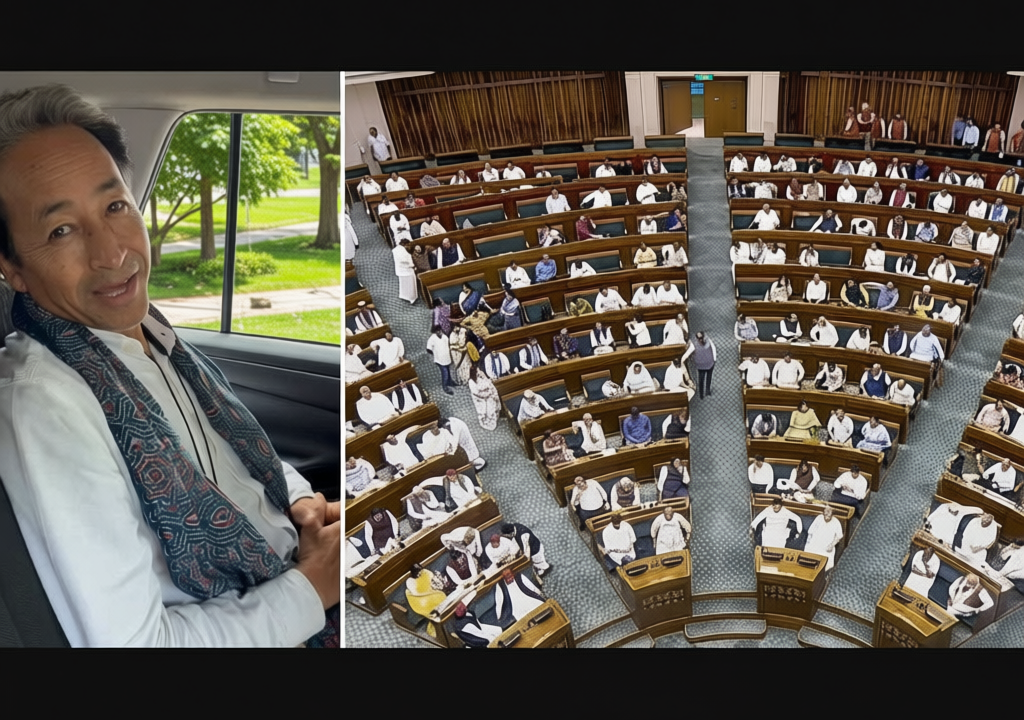
Indiadailyupdate.com – Education activist Sonam Wangchuk lauds Centre s new anti-paper leak legislation, expressing optimism about its potential to transform India’s examination system. The prominent Ladakhi leader shared his thoughts during a video message announcing his upcoming rail journey to Ladakh. He specifically commended the Public Examinations (Prevention of Unfair Means) Amendment Bill, 2026, which successfully passed through the Lok Sabha on July 29. This legislative development comes at a crucial time when educational transparency has become a national priority following widespread student protests across the country.
“I am happy that the Bill has been brought to the Parliament,” Wangchuk remarked in his video address. “I hope it will go on to improve India’s education system for the better.”
Beyond his endorsement of the new legislation, the activist used this platform to urge the government to maintain its commitments to student demonstrators. He specifically called for the release of detained students and their supporters, emphasizing that honoring the trust of young citizens remains essential for democratic progress. His message was clear: the government should avoid filing FIRs against protesters and instead focus on meaningful dialogue.
“Do not file FIRs and honour the trust of the youth,” the activist emphasized in his statement.
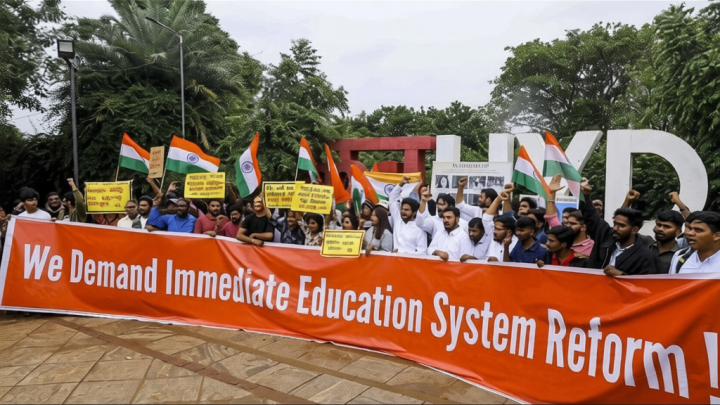
The CJP Movement and Its Demands
Wangchuk’s hunger strike became a defining moment in the Cockroach Janta Party (CJP) demonstrations that swept across India. The student-led movement demanded comprehensive reforms in the education sector, with one of its most significant achievements being the resignation of former Union Education Minister Dharmendra Pradhan. The prolonged protest captured national attention and forced the government to address systemic issues in examination processes.
However, perspectives within the movement remain divided regarding the new legislation. While Wangchuk welcomed the Bill, the CJP leadership maintained a skeptical stance, arguing that the measure lacks sufficient depth. Ashutosh Ranka, the party’s spokesperson, provided a detailed critique of the legislative proposal during public statements.
“Applying a bandage after an injury is one thing, but the real question is: what are you doing to prevent the injury from happening in the first place? This Bill did not address that,” Ranka explained.
The spokesperson further highlighted that critical components such as strengthening exam infrastructure, modernizing the National Testing Agency (NTA), and improving overall transparency received inadequate attention during the Bill’s formulation. These concerns reflect broader questions about whether the legislation addresses root causes or merely treats symptoms.
Historical Context and Political Reactions
The divergence between Wangchuk and CJP leadership is not without precedent. When the activist concluded his fast on the early morning of July 24, Congress MP Imran Masood immediately questioned the outcome. He suggested that a private arrangement might have been reached between the activist and the government, drawing parallels to Anna Hazare’s earlier protests.
“He is Anna part two. For 12 years, Anna has remained silent, and now Sonam Wangchuk will remain silent. You were striking a deal with the government yesterday; at the time, was any student present there? What else is there except your personal deal with the government?” Masood questioned.
The new legislation introduces several key provisions aimed at strengthening India’s anti-cheating framework. These include establishing expedited investigation procedures, creating specialized fast-track courts, and implementing more severe punishments for examination malpractices. The Bill has sparked vigorous debate within Parliament, bringing to light numerous interconnected concerns.
These discussions extend beyond the education sector, with the Congress party demanding Home Minister Amit Shah’s resignation alongside broader questions about educational reforms. The legislative development represents a significant step toward addressing systemic issues, though implementation challenges remain. As the government moves forward with these measures, stakeholders continue to monitor progress closely, ensuring that promises translate into tangible improvements for students across the nation.