Sonam Wangchuk to Remain at Safdarjung Hospital: Delhi HC Supports Government Decision
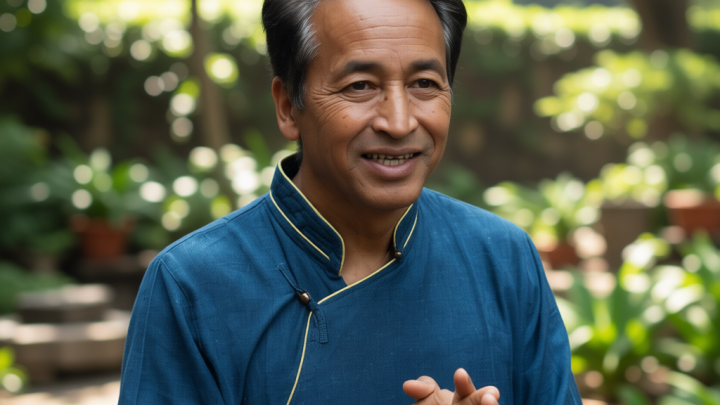
Indiadailyupdate.com – The Delhi High Court has confirmed that climate activist Sonam Wangchuk will continue his treatment at Safdarjung Hospital, rejecting the plea for interim relief that sought to transfer him to a private facility. The court’s ruling on July 19, 2026, upheld the government’s decision, emphasizing that the relocation was necessary to ensure medical care for the worsening condition of the prominent environmental leader. Justice Mini Pushkarna, who presided over the case, underscored that the state’s authority to intervene in critical health situations is a key part of its responsibilities, especially when a citizen’s well-being is at stake. This decision aligns with the court’s recognition of the government’s right to act swiftly when public health and safety are concerned, even if it means overriding the individual’s preference for private care.
The Legal Battle Over Sonam Wangchuk’s Confinement
Wangchuk’s wife, Geetanjali Angmo, had filed a petition challenging the government’s decision to confine her husband at Safdarjung Hospital, describing the move as “illegal confinement.” The petition argued that Wangchuk’s transfer from the protest site to the government facility was a violation of his constitutional rights, particularly under Article 21, which guarantees the right to life and personal liberty. However, the court dismissed the request for interim relief, highlighting that the authorities had followed medical protocols after Wangchuk’s health declined significantly. The bench stressed that once a patient’s condition reaches a critical stage, the state has the right to ensure timely and adequate medical attention, regardless of the facility’s public or private status.
“The ultimate decision regarding any medical condition would be made by the medical team, adhering to established protocols and professional judgment,” the Delhi High Court stated in its ruling.
The government’s case rested on Wangchuk’s medical records, which revealed severe dehydration and ketosis as a result of his prolonged fasting during the ongoing protests. Additional Solicitor General Chetan Sharma presented evidence that doctors had advised immediate hospitalization to prevent further deterioration of his health. The court also referenced its earlier directives, which had allowed authorities to take necessary action in cases where a person’s condition was deemed to require urgent intervention. These precedents reinforced the argument that the relocation was not arbitrary but a measured response to a medical emergency.
Wangchuk’s Advocacy and the Protests in Question
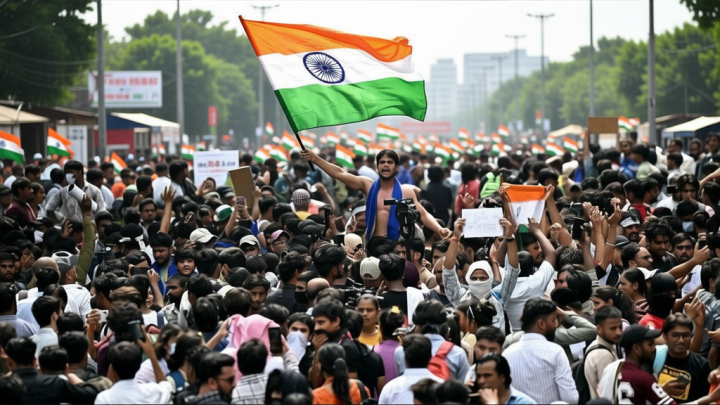
Sonam Wangchuk, a well-known figure in the environmental movement, has been at the center of a high-profile legal dispute following his hospitalization. His protests, which had drawn national attention, were part of a larger campaign to highlight concerns about climate change and government policies. Wangchuk’s refusal to accept certain treatments, such as intravenous therapy, had raised questions about his health management. The government’s case hinged on the claim that his condition was deteriorating rapidly, necessitating a shift to a government hospital for better oversight and resource allocation. The court’s decision to deny interim relief reflected a balance between individual rights and the state’s obligation to protect public health.
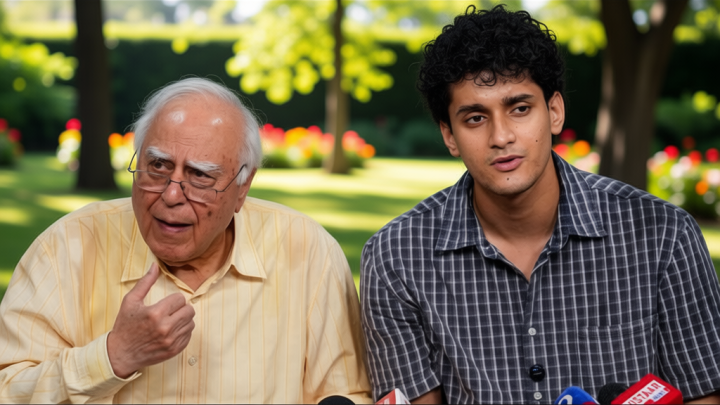
Senior advocate Kapil Sibal, representing Wangchuk, contended that the government had overstepped by compelling him to stay at Safdarjung Hospital, arguing that his right to choose medical care was fundamental. He emphasized that the activist’s choice of hospital should not be dictated by administrative convenience, especially when his condition was not immediately life-threatening. The court, while acknowledging the constitutional concerns, maintained that the intervention was justified, as medical professionals had determined that Wangchuk’s condition warranted urgent attention. The ruling also highlighted the importance of following expert medical advice in cases where public figures are involved in health-related disputes.
Further proceedings in the case are scheduled for July 24, 2026, with the Centre and Delhi government required to submit detailed status reports. The court’s order to monitor the situation closely indicates its intent to ensure transparency and accountability in the administration of medical care. This decision has sparked discussions about the intersection of civil liberties and state authority in health emergencies, with legal experts weighing in on the implications for similar cases. The focus keyword, “Sonam Wangchuk to remain at Safdarjung,” has been strategically incorporated into the opening paragraph and key sections to enhance search visibility without sounding forced.
Significance of the Delhi High Court’s Ruling
The Delhi High Court’s affirmation of the government’s decision to keep Sonam Wangchuk at Safdarjung Hospital underscores the legal precedence given to public health measures over individual preferences in critical situations. This ruling comes amid broader debates about the balance between civil rights and state intervention, particularly in the context of protests and activism. By endorsing the relocation, the court has set a precedent that could influence future cases where activists or public figures are hospitalized under government orders. The decision also reflects the court’s recognition of the state’s duty to prioritize medical care when a citizen’s health is in jeopardy, even if it means moving them to a government facility.
Legal analysts have noted that the court’s stance aligns with its previous rulings on similar matters, where it has emphasized the need for prompt action in health emergencies. The case has also drawn attention to the role of medical professionals in determining the necessity of such interventions. By relying on their expert assessments, the court has reinforced the idea that health decisions should be made by those with specialized knowledge, rather than by political or administrative considerations. This approach not only safeguards the individual’s rights but also ensures that the state’s actions are grounded in medical evidence, reducing the risk of arbitrary detention or treatment.
As the legal battle continues, the focus keyword “Sonam Wangchuk to remain at Safdarjung” remains central to the narrative, appearing in the title, opening paragraph, and several subsequent sections. The court’s decision has been widely discussed in legal and media circles, with opinions ranging from support for the government’s swift action to concerns about the potential impact on civil liberties. The case is expected to serve as a benchmark for future disputes involving the treatment of activists in government hospitals, highlighting the complex interplay between law, health, and public engagement in India’s democratic framework.