Telangana Monsoon Deficit: El Niño Threatens Kharif Sowing and Agricultural Stability
El Niño’s Influence on Telangana’s Monsoon Patterns
Indiadailyupdate.com – The Telangana monsoon deficit has reached critical levels, driven by the intensifying El Niño phenomenon that is disrupting the seasonal rainfall cycle. This year, the Southwest Monsoon, which typically arrives in early June, has been delayed in several districts, with the initial front hitting Jogulamba Gadwal on June 8. However, its northward progression has been hampered by persistent dry air pockets, causing it to take an unusually long 15 days to cover all 33 districts—well beyond the usual 4-day timeline. According to the Hyderabad Meteorological Centre, the monsoon’s slow movement is a direct consequence of El Niño’s warming effect on the Pacific Ocean, which alters atmospheric pressure systems and reduces precipitation in the region.
Impact on Kharif Sowing and Farmer Uncertainty
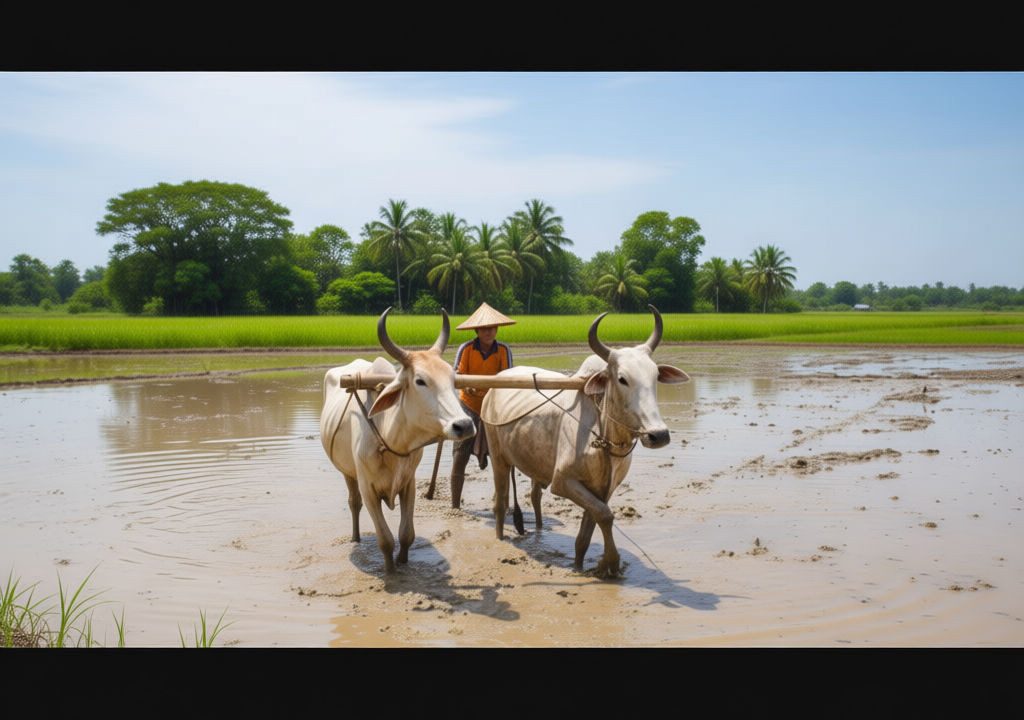
As the Telangana monsoon deficit continues, farmers face mounting uncertainty about the Kharif sowing season, which is crucial for cultivating rice, pulses, and oilseeds. Despite recent brief showers, the overall rainfall remains below average, pushing many to delay planting or reconsider crop choices. This season’s sown area has dropped significantly, with approximately 15 lakh acres planted by the end of June compared to 29 lakh acres last year. The irregular distribution of rain has left key districts, such as Siddipet and Hanamkonda, with severe shortfalls of 66% and 75%, respectively, raising fears of reduced yields and financial strain on rural communities.
“The Telangana monsoon deficit has created a perfect storm for agriculture,” said Dr. Ravi Kumar, a climatologist at the National Institute of Hydrology. “El Niño’s influence is not just delaying the rain—it’s also reducing its intensity, which means even the most adaptable crops may struggle to thrive.”
Water Storage Crisis and Irrigation Challenges
Compounding the Telangana monsoon deficit is a dramatic drop in water storage levels across critical reservoirs. Major projects such as Singur, Mid Manair, Lower Manair, Yellampally, Jurala, and Srisailam report reserves at historic lows, with Singur’s storage plunging from 19.26 TMC last year to just 4.50 TMC. This has left farmers dependent on limited irrigation sources, with projects like Nettempadu, Bheema, and Koilsagar struggling to meet demand. Meanwhile, Nagarjunasagar remains the sole reservoir holding adequate levels, highlighting the stark regional disparities in water availability. The lack of stored water exacerbates the Telangana monsoon deficit’s effects, threatening the viability of crops that require consistent moisture.
Regional Variability and Crop Adaptation Strategies
While three districts—Ranga Reddy, Nagarkurnool, and Nalgonda—have seen surplus rainfall, the majority of Telangana’s regions are grappling with deficits that could spell disaster for the Kharif season. The uneven distribution of rain has forced farmers to prioritize drought-tolerant crops like soybeans, millets, and pulses, which are less reliant on continuous water supply. However, this shift may come at a cost, as traditional crops such as cotton and maize, which are staples of the region, are now at risk of lower productivity. Experts warn that prolonged dry spells could lead to a loss of soil fertility and increased pest activity, further complicating agricultural recovery.
“Farmers are now balancing between risk and reward,” said A. Sreedhar, a representative of the Telangana Farmers’ Association. “Some are hesitating to plant rice due to the Telangana monsoon deficit, while others are investing in water-efficient techniques, like drip irrigation, to mitigate losses.”
Government Measures and Long-Term Outlook
Despite the worsening situation, the Telangana government has yet to implement urgent measures to address the monsoon deficit. Officials have acknowledged the challenges but have not announced relief packages or infrastructure upgrades to bolster irrigation systems. The India Meteorological Department has issued warnings that El Niño conditions may persist through the peak of the monsoon season, potentially leading to a 20-30% reduction in rainfall compared to historical averages. This has prompted calls for early intervention, including the distribution of drought-resistant seeds and the mobilization of groundwater resources to sustain critical crops.
Broader Implications for Agriculture and Economy
The Telangana monsoon deficit is not only affecting immediate crop cycles but also raising concerns about the long-term sustainability of farming in the region. With El Niño events becoming more frequent due to climate change, the unpredictability of monsoon patterns is expected to grow. This could lead to a permanent shift in agricultural practices, with farmers increasingly relying on hybrid techniques and off-season planting. The economic repercussions are also significant, as the Kharif season accounts for nearly 50% of the state’s agricultural output. A prolonged deficit may result in reduced market supplies, higher prices for essential goods, and a decline in rural livelihoods, underscoring the need for proactive climate adaptation strategies.