The Lost Art of Policing a Protest
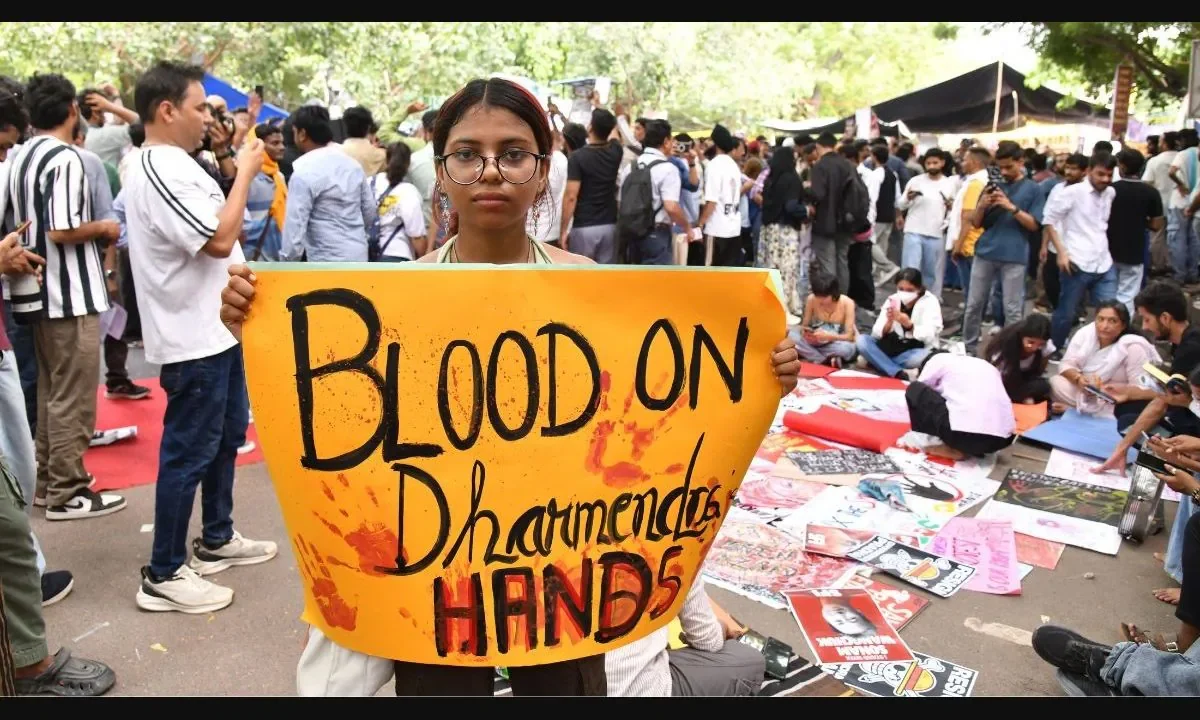
Indiadailyupdate.com – As the monsoon session of Parliament approaches, tensions in Delhi are rising ahead of a planned gathering of thousands at the protest site near Jantar Mantar. This event, expected to draw attention from various activist groups, has sparked renewed scrutiny of the police’s strategy under the new commissioner, Anurag Kumar. The timing of his appointment has raised questions about whether the force will adopt a more rigid approach to managing demonstrations, particularly after a series of recent clashes that highlighted the challenges of maintaining order in the capital.
A Shift in Leadership and Strategy
The transition to Kumar came after S.N. Shrivastava, a senior IPS officer, took charge of the Delhi police in 2020. His tenure followed intense riots in Northeast Delhi, where over 50 people lost their lives to communal violence fueled by disputes over a citizenship law. The unrest saw frenzied mobs attack shops, homes, and vehicles while pelting stones at law enforcement. These incidents, including the violent chaos at JNU where students and teachers were injured, left Delhiites questioning the police’s ability to prevent protests from escalating.
“Added caution is needed when 250 national farmer organisations arrive in Delhi on motorcycles to protest at Kisan Ghat,” warned the American embassy, advising citizens to avoid large gatherings involving politicians and activists.
The AAP’s allegations that the Union home ministry replaced Satish Golcha to expedite Sonam Wangchuk’s removal from the protest site have intensified debates over the government’s handling of demonstrations. While officials claim the change is administrative, critics argue it reflects a deliberate shift in tactics to control dissent. The new commissioner, who previously led Delhi’s State Intelligence Bureau, is now tasked with navigating a complex landscape of protests and security concerns.
Evolution of Protest Spaces
Delhi’s protest sites have undergone a transformation in recent years. Once a space for open dialogue, Jantar Mantar has become a battleground where groups like the Cockroach Janta Party and climate activists jostle for visibility. The shrinking of protest areas has led to logistical challenges, with organizers forced to adjust dates to secure adequate time and space for their demonstrations. Some groups from the northeast, for instance, withdrew last month due to the growing presence of the CJP, which they felt overshadowed their voices.
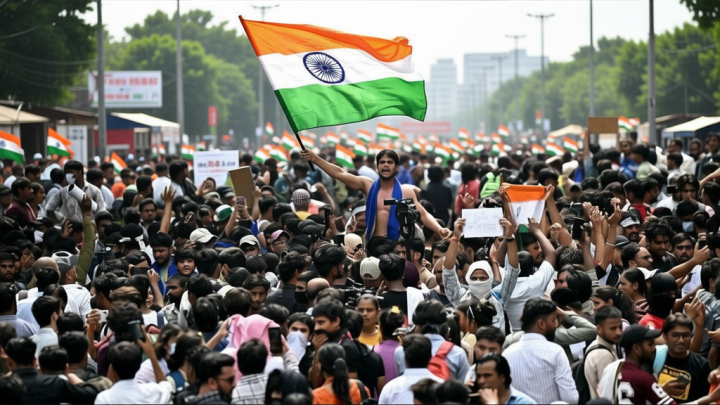
Historically, the police played a more accommodating role, as seen during the Anna Hazare-led anti-corruption movement. In 2011, citizens arrived at protest sites early on scooters, waving the Indian flag, while in 2012, crowds swarmed Rajpath and climbed Raisina Hill to demand accountability. These moments were marked by a willingness to grant permissions for peaceful marches, even allowing protesters to set up tents and water facilities. But such leniency has given way to heightened surveillance, CCTVs, and plainclothes officers, reflecting a more proactive stance on security.
Modern Challenges and Responses
Today’s protests are shaped by a mix of local and national issues, from civil strife in Manipur to education policy debates and climate concerns in Ladakh. While these movements often aim to express grievances, they also face scrutiny for alleged ties to banned Maoist groups or pro-Khalistan outfits. Delhi cops have responded by tightening controls, deploying advanced monitoring tools, and increasing manpower to prevent disruptions. This approach, critics argue, may suppress legitimate dissent but is seen as necessary to avert chaos in the densely populated capital.
With multiple groups vying for attention and the potential for large crowds on July 20, the question remains: will the Delhi police embrace a new strategy or revert to the tactics that have fueled past controversies? The answer could shape the future of public expression in the city.