TMC Martyrs’ Day Rally Faces 60-Day Ban at Victoria House
Indiadailyupdate.com – The Trinamool Congress (TMC) has encountered challenges in organizing its annual Martyrs’ Day rally, as the Kolkata Police have imposed a 60-day ban on public gatherings at Victoria House. The directive, issued on Tuesday, restricts rallies and processions in areas under Bowbazar PS, Hare Street PS, and the Headquarters Traffic Guard, effective from July 2 to August 30, 2026. The move follows an FIR filed against three TMC leaders—Kunal Ghosh, Dola Sen, and Baiswanar Chatterjee—alleging that they obstructed public spaces and disrupted traffic during a pre-event survey. The ban, under section 285 of the Bharatiya Nyaya Sanhita (BNS), has raised concerns about the party’s ability to commemorate the 1993 incident that shaped its political identity.
Police Directive and Restrictions
According to the police circular announced by Commissioner Ajay Nand, rallies at Victoria House are now off-limits for 60 days, with strict limitations on gatherings. The affected zones span from K.C. Das Crossing to Victoria House (CESC HQ), excluding Bentinck Street. Under the new rules, only five individuals are permitted to assemble for processions, and the use of sticks or lathis is prohibited. The directive emphasizes that the location choice for such events is a state administrative decision, and permission is granted based on the event’s context and public safety considerations.
“The current restrictions are in place to ensure public safety and prevent potential disruptions,” said Kolkata Police Commissioner Ajay Nand. “Section 163 of the Bharatiya Nagarik Suraksha Sanhita (BNSS), similar to Section 144 of the Criminal Procedure Code (CrPC), has been activated to regulate the area.” The commissioner clarified that the ban is not a permanent measure but a temporary restriction tailored to the specific circumstances of the rally.
TMC’s Response and Strategic Shift
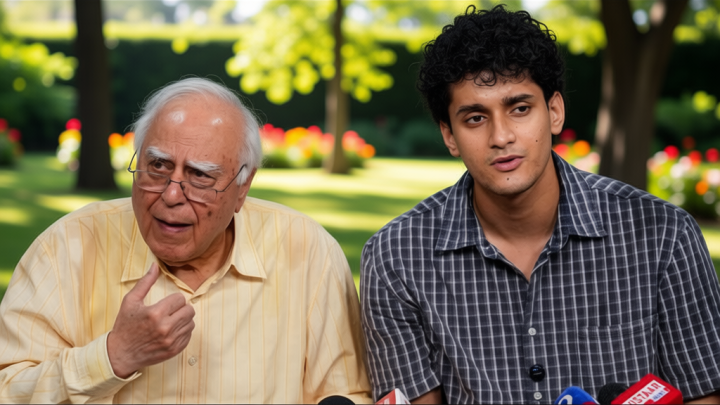
Kunal Ghosh, one of the accused, challenged the ban, arguing that the TMC had assumed approval for the event. He pointed out that the rally, held with measuring tools and minimal disruption, was meant to honor the 13 Youth Congress activists who died in a 1993 police firing. “We didn’t use sticks—we were just taking measurements. Why was Red Road closed for seven days for Yoga Day preparations, yet we’re denied a few hours here?” Ghosh questioned, highlighting the perceived inconsistency in the police’s approach to public events.
The ban has forced the TMC to reconsider its strategy, as the rally at Victoria House was historically a key venue for significant political announcements. The party’s Mamata faction and Ritrabrata’s faction are now exploring alternative locations, which may affect the event’s reach and impact. The restrictions have also sparked debates about the balance between maintaining order and allowing political expression, especially during commemorative events.
Historical Significance of Martyrs’ Day
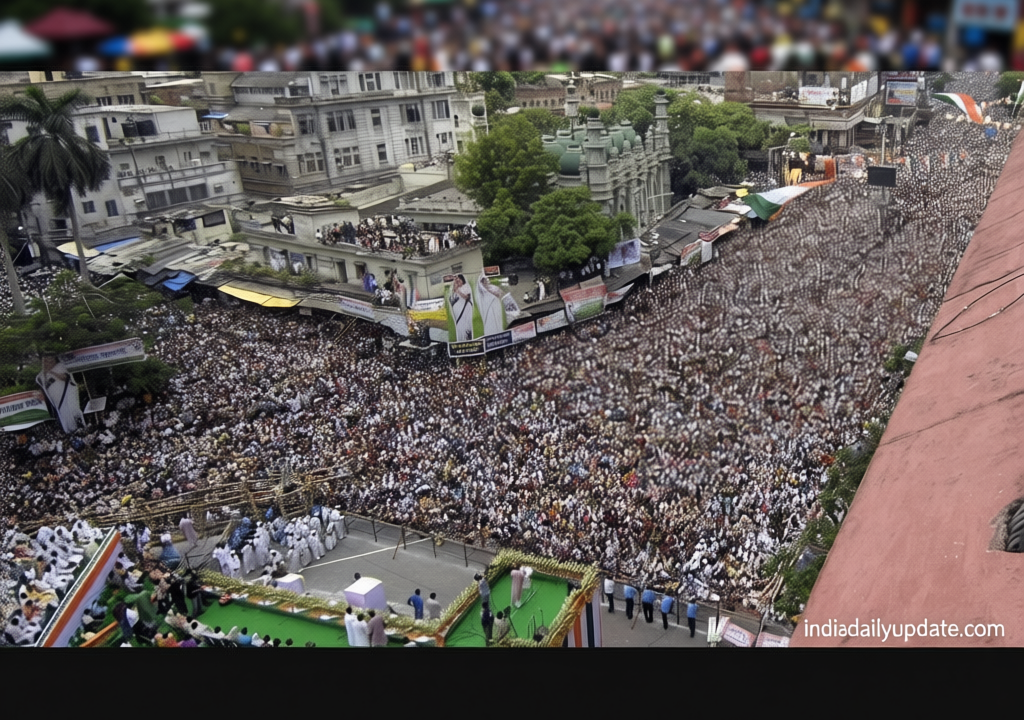
Martyrs’ Day, celebrated on July 21 every year, commemorates the 1993 incident where 13 Youth Congress members were killed during a rally in Kolkata. The event has since become a cornerstone of the TMC’s political calendar, serving as a platform to rally support and project its narrative of struggle and sacrifice. For decades, the rally at Victoria House has symbolized the party’s connection to this pivotal moment in regional history, drawing crowds from across the state and reinforcing its role as a leader in West Bengal.
Despite its symbolic importance, the rally has occasionally faced logistical challenges, such as traffic congestion on central roads leading to the venue. This year, the 60-day ban threatens to disrupt the traditional setup, prompting questions about how the TMC will adapt to the new constraints. The party’s ability to hold the rally at Victoria House has been a strategic choice, leveraging the location’s historical and political significance to maximize visibility and impact.
Implications for Political Campaigns
The ban on rallies at Victoria House may have broader implications for the TMC’s political strategies. As a key event in the party’s schedule, Martyrs’ Day often precedes major elections, offering an opportunity to engage the public and set the tone for upcoming contests. The restrictions could force the TMC to adjust its timeline or find alternative venues, potentially affecting the event’s reach and the party’s ability to mobilize supporters. This development has drawn attention to the role of administrative decisions in shaping political narratives and the importance of venues in public engagement.
Political analysts note that the ban underscores the tension between law enforcement and political parties in maintaining order while preserving freedom of expression. The TMC’s reliance on the Victoria House as a central location for its rallies highlights how such spaces are integral to political movements. With the ban in place, the party will need to demonstrate its ability to adapt without compromising its core message. The incident also raises questions about the consistency of police actions and the criteria used to assess public safety threats.
Public Reaction and Debate
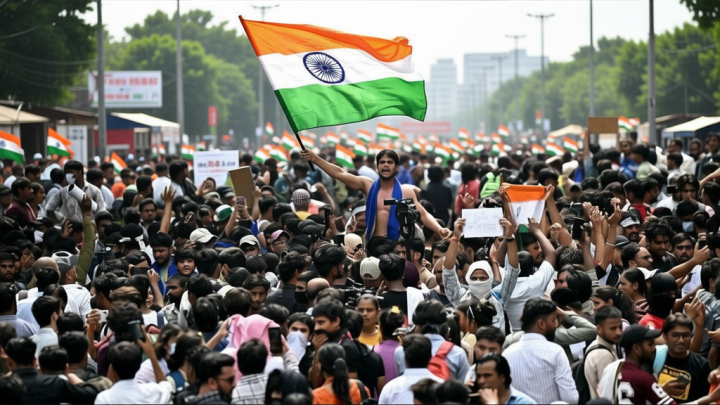
The decision has sparked a mixed reaction from the public and political observers. While some support the police’s efforts to prevent disruptions, others argue that the ban is overly restrictive and may stifle political expression. Social media platforms have seen discussions about the impact of the 60-day restriction on the TMC’s ability to commemorate its legacy. Activists and citizens alike are calling for transparency in the police’s reasoning, with many questioning whether the ban is a temporary measure or a long-term strategy to limit the TMC’s influence.
As the rally dates approach, the TMC faces the challenge of finding an equivalent venue that maintains the event’s significance. The choice of location is not just logistical but also symbolic, as Victoria House has long been associated with the party’s political milestones. The ban has intensified the focus on the TMC’s ability to navigate administrative hurdles while keeping its core message alive. This situation may serve as a test case for how political parties and law enforcement agencies balance security with the right to assemble and protest.