Twisha Sharma Death Case: AIIMS Delhi Final Report Confirms Skin Tissue Match on Gym Belt
Key Findings in the Twisha Sharma Death Case
Indiadailyupdate.com – The Twisha Sharma death case has taken a significant turn following the submission of a final report by AIIMS Delhi’s medical board to the Central Bureau of Investigation (CBI). The 11-page document, which has been widely circulated in media reports, confirms the presence of skin tissue on a gym belt recovered from the crime scene. This discovery, made through advanced laboratory and histopathological examinations, aligns with the injury pattern observed on her neck, reinforcing the link between the belt and her fatal injuries. The findings have reignited discussions about the circumstances surrounding her death, which occurred just six months after she married lawyer Samarth Singh.
Dr Sudhir Gupta, head of the Department of Forensic Medicine at AIIMS Delhi, emphasized that the board conducted a meticulous review of all evidence before finalizing the report. “The scientific analysis of the skin tissue sample on the gym belt is conclusive,” he stated, adding that the results will play a pivotal role in determining the cause of death.
Controversy and Reevaluation of Evidence
The gym belt had been a focal point of controversy since its initial recovery from the matrimonial home. During the first post-mortem examination, it was not presented to the medical team, leading to uncertainty about its role in the incident. This omission sparked debates among investigators and the family, who alleged that the police had failed to thoroughly examine critical evidence. A second post-mortem was ordered by the Madhya Pradesh High Court after the belt was made available for analysis, marking a crucial step in the Twisha Sharma death case.
Forensic experts at AIIMS Delhi reanalyzed the belt using cutting-edge techniques, including microscopical and chemical tests, to determine if it could have caused the injuries. The results confirmed that the tissue samples matched the belt’s material, providing concrete evidence that could either support the suicide theory or indicate foul play. This reevaluation has brought new clarity to the Twisha Sharma death case, which has been the subject of intense public scrutiny.
Family Allegations and Legal Proceedings
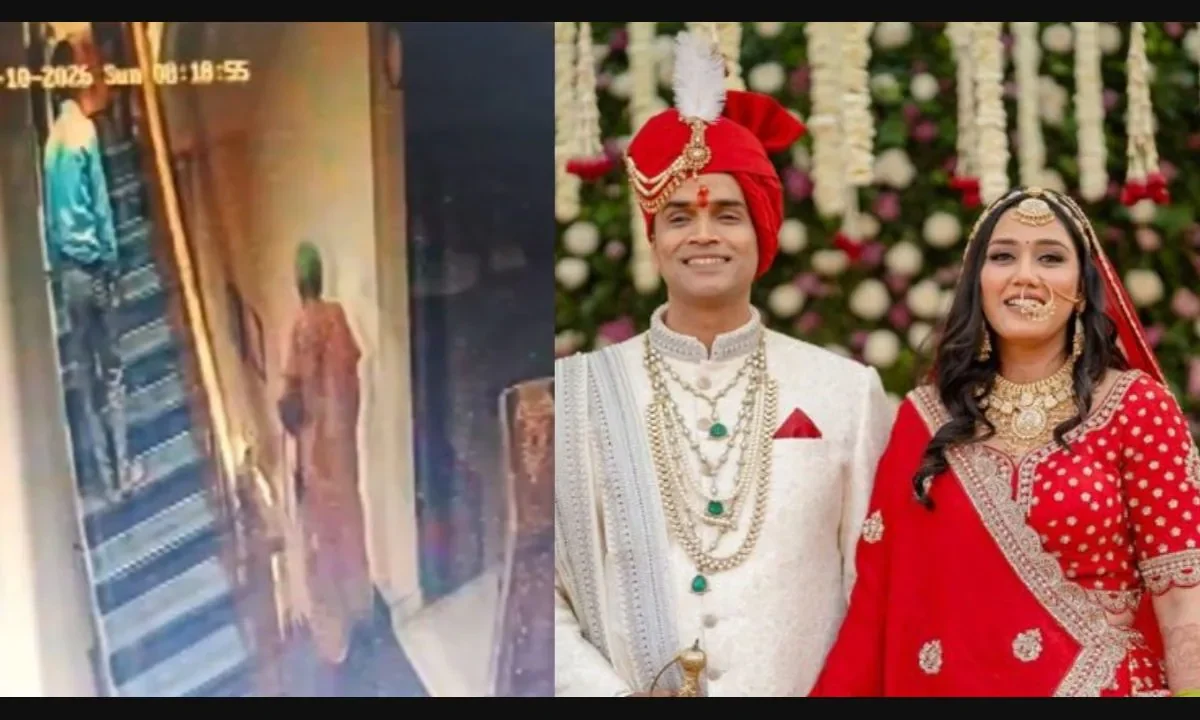
Twisha Sharma’s family has long maintained that her death was a result of cruelty and dowry-related harassment. They accuse her husband, Samarth Singh, and his mother, Giribala Singh, a retired principal district and sessions judge, of subjecting her to domestic violence. Following her death on May 12, 2026, an FIR was filed against both individuals, with the police initially proposing a suicide hypothesis. However, the family contested this theory, citing the lack of visible ligature marks on her body during the first post-mortem and the absence of the gym belt as key evidence.
The legal proceedings in the Twisha Sharma death case gained momentum after the Supreme Court intervened, transferring the investigation to the CBI for a more thorough analysis. Samarth Singh initially evaded arrest but eventually surrendered to a court, while Giribala Singh faced remand to judicial custody. The CBI’s role in the case has been critical, as they now aim to reconstruct the events leading to her death using the latest forensic evidence, including the skin tissue match on the gym belt.
Significance of the New Evidence
The AIIMS report’s confirmation of the skin tissue match on the gym belt has shifted the narrative of the Twisha Sharma death case. Previously, the belt’s role in her injuries was debated, but the new findings provide scientific validation for its involvement. This evidence could be decisive in determining whether the death was accidental, self-inflicted, or intentional. The CBI is now expected to present its analysis of the crime scene, which will be closely scrutinized to assess the belt’s significance in the case.
Experts suggest that the tissue match strengthens the argument that the belt was used as a ligature, supporting the possibility of a struggle before her death. However, the presence of skin tissue does not automatically confirm foul play—it depends on how the CBI interprets the context of the injuries and the sequence of events. The Twisha Sharma death case continues to draw attention as investigators seek to resolve lingering questions about her final moments.
Timeline and Public Reaction
The Twisha Sharma death case has unfolded over several months, with key developments shaping public perception. Her death in May 2026 sparked immediate outrage, as her family claimed she was a victim of domestic abuse. The initial police investigation, which attributed the cause of death to suicide, faced criticism for not considering the gym belt as a potential murder weapon. The second post-mortem, conducted after the belt was analyzed, revealed critical evidence that has since become central to the case.
Media outlets and legal analysts have closely followed the Twisha Sharma death case, highlighting the importance of the AIIMS report in shedding light on the truth. The confirmation of the skin tissue match has provided both the prosecution and defense with a pivotal piece of evidence, as the case now hinges on whether the belt was used to strangle her or if it was a coincidental finding. Public opinion remains divided, with many still questioning the role of her husband and his mother in her death.
Next Steps in the Investigation
With the AIIMS report submitted, the CBI is now tasked with further investigation to build a comprehensive case. This includes analyzing the crime scene for additional evidence, such as DNA samples, witness statements, and video footage, to corroborate the findings. The belt’s role in the Twisha Sharma death case will be examined alongside other potential motives, including dowry disputes and alleged mistreatment.
The case also underscores the importance of thorough forensic analysis in high-profile incidents. The initial oversight in presenting the gym belt to the medical team during the first post-mortem has been a point of contention, but the subsequent reevaluation has demonstrated how critical evidence can emerge when given proper attention. As the CBI works to finalize its report, the Twisha Sharma death case remains a focal point for justice and transparency in marital disputes across India.