Revanth Reddy: Education Ministry ‘Jinxed’ After CJP Protests
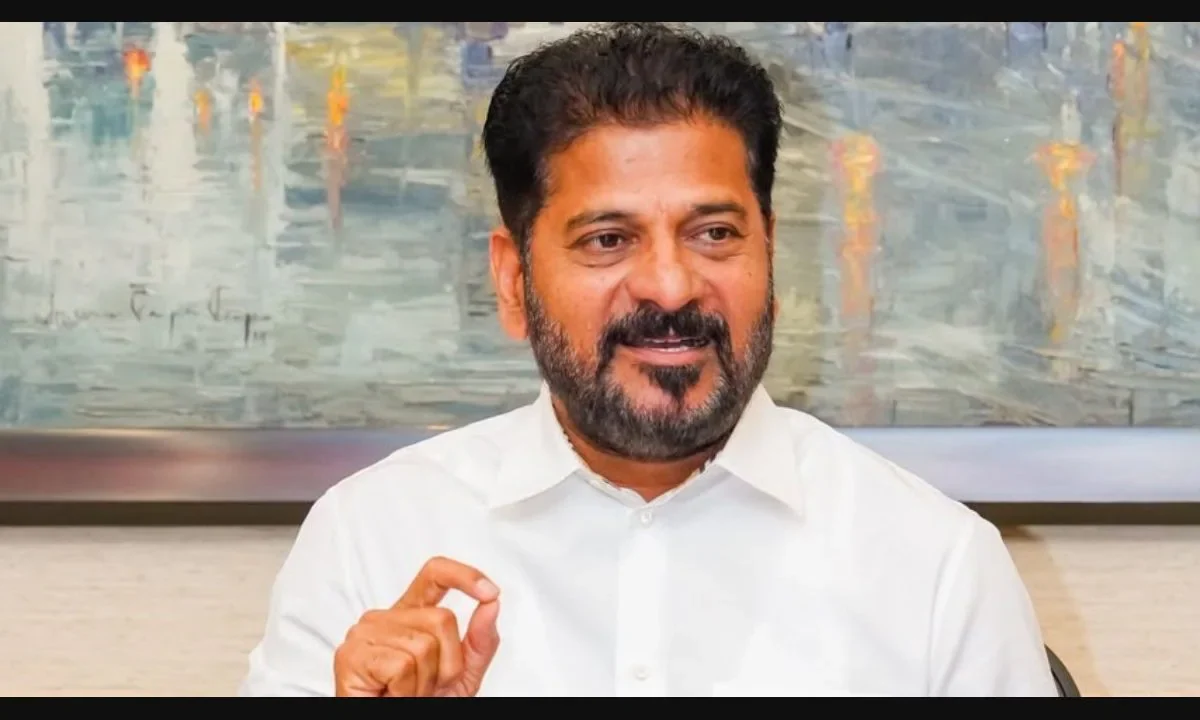
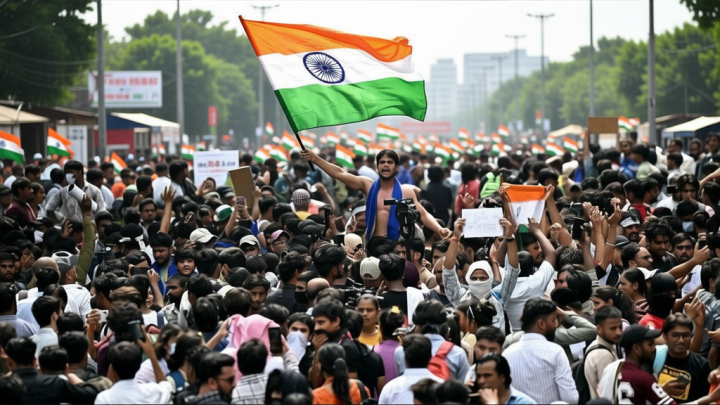
Indiadailyupdate.com – Telangana Chief Minister A. Revanth Reddy has declared that the Union education ministry is jinxed, pointing out a pattern of political misfortune for every Bharatiya Janata Party leader who has held the position. Speaking to reporters in Hyderabad on Sunday, the opposition leader outlined how Smriti Irani, Prakash Javadekar, and Ramesh Pokhriyal all suffered electoral defeats, while Dharmendra Pradhan was compelled to resign from his cabinet role. Reddy’s comments came in the wake of widespread student demonstrations that have captured national attention.
Extending his congratulations to Pralhad Joshi, who has now been appointed to oversee education, Reddy expressed hope that the new minister would escape the troubles that have plagued his predecessors.
“I hope Joshi saab will do well and won’t have to suffer the same fate,”
the Chief Minister remarked. His observation suggests that the position has become something of a political liability for BJP leaders over the years.
CJP Success and Youth Empowerment
Addressing the remarkable success of the Cockroach Janata Party, the Chief Minister noted that Prime Minister Narendra Modi had previously considered himself unbeatable, yet young voters proved otherwise. Reddy continued to champion his long-standing proposal to lower the eligibility age for both Assembly and Lok Sabha elections to 21 years. He argued that individuals at this stage are already launching businesses, clearing civil service examinations, and excelling in various professional fields.
“Why can’t they be allowed to contest elections? Indeed, they should hold the education portfolio,”
he stated emphatically.
Reddy pledged that if the central government agrees to reduce the contesting age to 21, his administration would set aside the education ministry for a younger politician. He drew parallels to the farm laws situation, noting that while Modi initially ignored Opposition suggestions to repeal the legislation, farmer demonstrations eventually compelled action. Similarly, the Prime Minister overlooked calls to remove Dharmendra Pradhan until a youth-led movement secured accountability. This parallel demonstrates how grassroots pressure can force governmental response.
Congress and the Youth Movement
When questioned whether the CJP’s expansion might challenge Congress, Reddy dismissed such concerns entirely.
“Indeed, Congress has been supportive of the demands of the youth. We are not worried at all,”
he affirmed confidently. Responding to suggestions that Congress failed to foresee the youth movement’s potential, he clarified that the party intentionally allowed the initiative to develop independently.
“We gave the youth movement the passage so that they could lead the movement apolitically,”
he explained. This strategic patience reflects Congress’s confidence in its organizational strength.
The Chief Minister revealed plans to meet Congress leaders on Monday to submit a formal proposal regarding the 21-year age threshold. His specific recommendations include setting the minimum contesting age for Legislative Council and Rajya Sabha elections at 25 years. Reddy referenced historical precedents, noting that Rajiv Gandhi reduced the voting age from 21 to 18, while P. V. Narasimha Rao established 21 as the minimum age for local election candidates. These historical examples strengthen his argument for legislative reform.
Emphasizing the urgency of this reform, Revanth Reddy urged the Centre to introduce the legislation alongside the delimitation Bill, women’s reservation proposal, and other pending measures during the upcoming monsoon session of Parliament. The timing could prove crucial for advancing youth-focused policies. As the CJP continues to gain momentum across states, political parties are reassessing their strategies to engage with younger voters. The education ministry’s recent controversies have only heightened awareness of these issues. Reddy’s intervention adds weight to calls for systemic change in how young Indians participate in democratic processes.