Weather Forecast: Monsoon Delays and Disruptions in Jammu and Kashmir and Uttarakhand
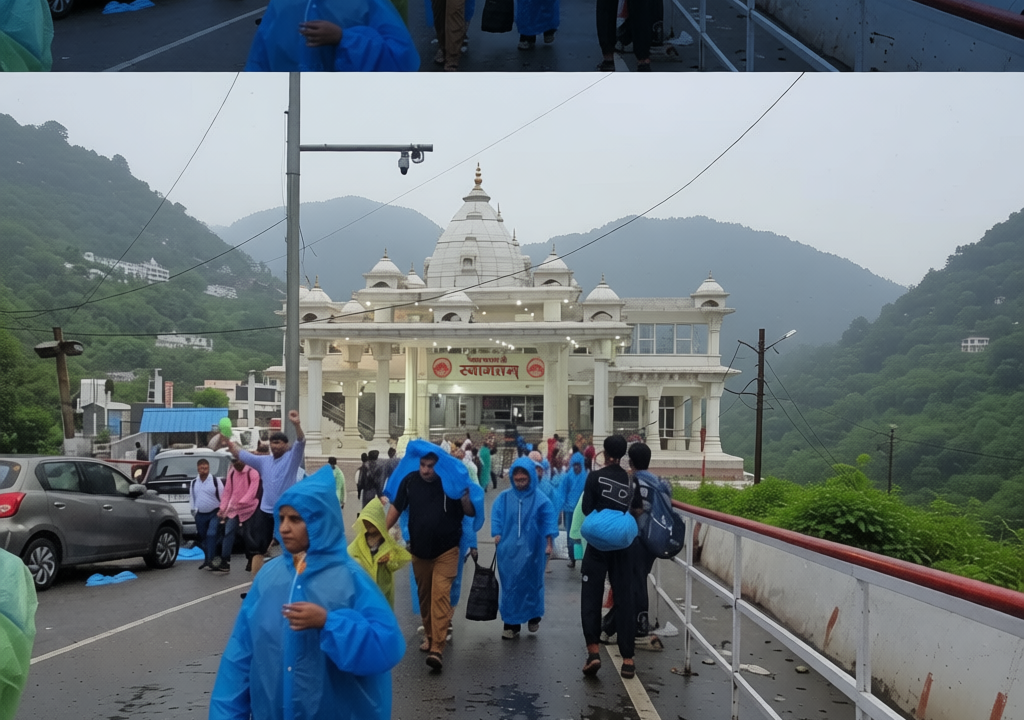
Indiadailyupdate.com – The recent weather forecast has raised significant concerns for pilgrims in Jammu and Kashmir and Uttarakhand, as heavy rains forced the suspension of major yatras like the Amarnath and Vaishno Devi yatra. With the monsoon season intensifying, authorities in the region have issued advisories to ensure the safety of thousands of devotees traveling to these sacred sites. The India Meteorological Department (IMD) highlighted the worsening conditions, prompting a temporary halt to the pilgrimages as a precautionary measure. This decision underscores the critical role of accurate weather forecasting in managing large-scale religious and cultural events.
Regional Impacts of Unpredictable Weather Patterns
The disruptions began with the Amarnath Yatra, which was suspended on July 19 due to sudden downpours and unstable mountain paths. Similarly, the Vaishno Devi yatra faced delays as officials assessed the risks posed by the relentless rain. In Uttarakhand, the Kedarnath Yatra experienced its own set of challenges, with landslides triggered by heavy rainfall causing road closures and halting horse-mule services. These incidents illustrate how regional weather variations can affect pilgrimage routes differently, necessitating tailored responses from local authorities.
According to the IMD, the weather forecast for the region indicated a prolonged spell of moderate to heavy rainfall, with isolated areas experiencing severe downpours. The department’s warnings were based on real-time data and historical patterns, emphasizing the need for vigilance during the peak of the monsoon season. Pilgrims who had already begun their journeys were advised to monitor updates through official channels, ensuring they could adjust their travel plans accordingly. The lack of clear weather projections in some areas further complicated decision-making, highlighting the importance of continuous monitoring and communication.
Advisories and Safety Measures in Response to Unfavorable Weather
Officials from both Jammu and Kashmir and Uttarakhand issued emergency advisories to guide pilgrims during the disruption. For the Amarnath Yatra, the suspension was announced to prevent accidents on treacherous paths, while the Vaishno Devi Yatra’s resumption depended on the IMD’s assessment of future conditions. In Uttarakhand, the suspension of Kedarnath and Kailash-Mansarovar pilgrimages was a direct response to the landslides and flooding that blocked key routes. Safety measures included the deployment of additional rescue teams and the establishment of temporary shelters for stranded travelers.
The weather forecast also raised concerns about the potential for flash floods and landslides in the Himalayan regions. The IMD’s alerts for districts like Nainital and Dehradun indicated a high likelihood of extreme rainfall, prompting local authorities to take proactive steps. These included evacuating lower-lying areas, restricting vehicle movement, and advising residents to remain indoors during peak rainfall hours. The effectiveness of these measures was closely tied to the accuracy of the weather forecast, as timely warnings allowed for better preparation and response.
As the monsoon season progresses, the weather forecast continues to shape the landscape of pilgrimage activities. For July 20, the IMD upgraded several districts to red and orange alerts, signaling an increased risk of severe weather. This prompted further suspensions and delays, as well as the relocation of some campsites to safer areas. The forecasts also highlighted the likelihood of thunderstorms and lightning, which added another layer of complexity to the already challenging conditions. Pilgrims and local communities alike are now relying heavily on updated weather reports to navigate these unpredictable changes.
The impact of the weather forecast extends beyond immediate disruptions. It has also led to discussions about the long-term effects of climate change on pilgrimage routes. Experts note that the increasing frequency of heavy rainfall and landslides is a growing concern, particularly for regions like Kedarnath and Amarnath, which are prone to extreme weather events. The necessity for improved disaster preparedness and more accurate seasonal forecasts has never been more apparent, as these events threaten not only the safety of pilgrims but also the economic stability of the region’s tourism industry.