Taslima Nasrin Returns to Kolkata After 19-Year Exile
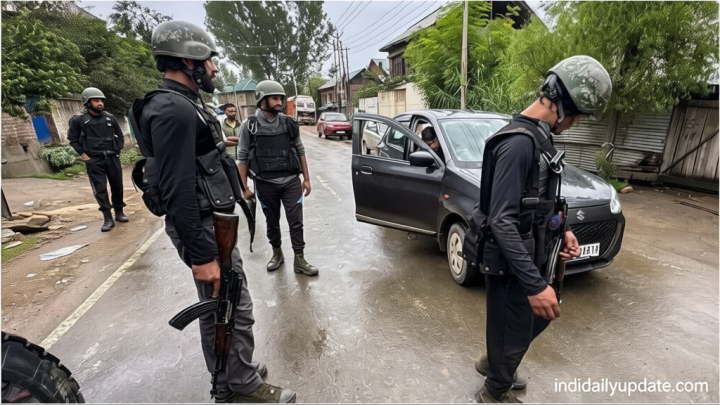
Indiadailyupdate.com – When Bangladeshi author Taslima Nasrin finally stepped onto Kolkata soil, it marked the end of a nearly two-decade chapter in her life. The celebrated writer and activist arrived at the Netaji Subhash Chandra Bose International Airport around midday, bringing with her a sense of relief and anticipation. Heavy security personnel were deployed throughout the airport and surrounding areas to ensure her safe passage through the city she once called home.
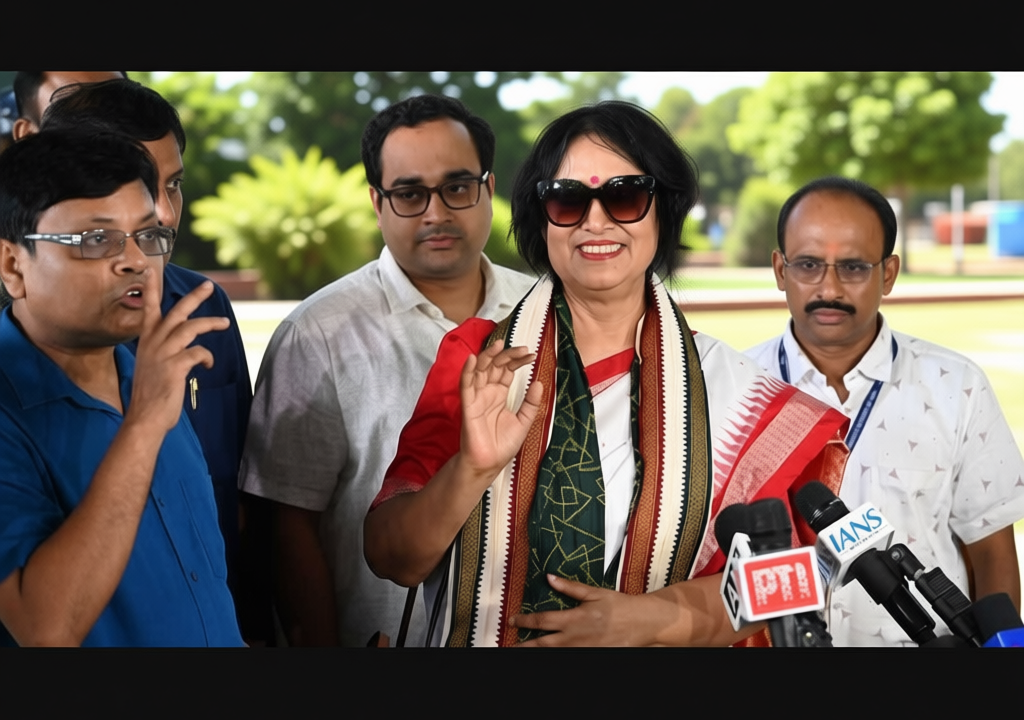
Speaking to gathered media representatives, the author expressed her emotions about the momentous occasion.
“I am feeling very good to be back. I thank you all,”
she said simply, her words carrying the weight of years spent away from the City of Joy.
A Journey Through Turbulence
Nasrin’s relationship with Kolkata has been anything but straightforward. Her initial departure in November 2007 came after violent demonstrations swept through central Kolkata, with arson and widespread destruction marking the end of her first stay. The Left Front administration responded by deploying military forces to restore order, while Nasrin herself relocated first to Jaipur and then to Delhi before eventually moving overseas.
Yet even from abroad, her heart remained connected to Kolkata. She consistently voiced her longing to return, viewing the city not merely as a place of residence but as a sanctuary that had sheltered her through some of the most challenging periods of her life. Her journey to Kolkata began in 2004, after she had fled Bangladesh in 1994 following death threats related to her controversial novel Lajja.
Political and Literary Milestones
The political landscape has shifted considerably since her last visit. Last year, Samik Bhattacharya, who serves as both a BJP Rajya Sabha MP and the current West Bengal BJP president, publicly called upon the Union government to help facilitate her homecoming. He described her as a courageous advocate against Islamist fundamentalism, recognizing her contributions to secular discourse in South Asia.
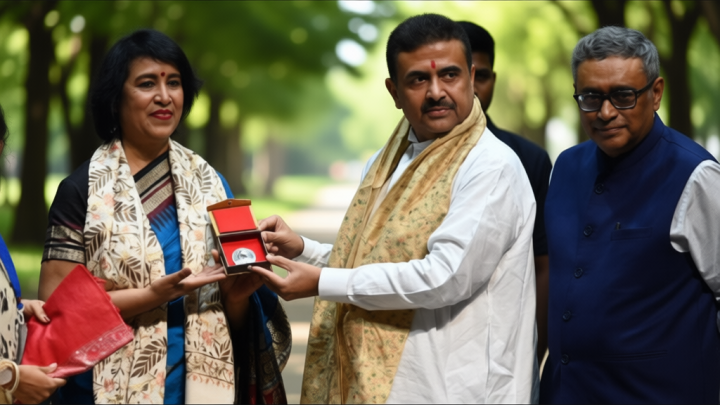
Her upcoming schedule reflects the renewed interest in her presence. On Saturday, she will participate in a literary gathering focused on combating fundamentalism, hosted by the Secular Mission Trust. Chief Minister Suvendu Adhikari is scheduled to appear alongside her at this function. Additionally, Nasrin will attend a separate program organized by the Pashchim Bangla Akademi, further cementing her place in the city’s literary calendar.
Looking Forward
With security arrangements remaining tight, the writer hopes to reconnect with friends and fellow authors in the city, provided permission is granted for her movements. She has expressed that she wishes to return not merely as a tourist but as someone with profound ties to Kolkata, a city that has witnessed both her struggles and her triumphs.
Her return comes after years of anticipation, during which time she continued to write and advocate for secular values. The Calcutta High Court’s reversal of the ban on her book Dwikhondito in 2005 had been a significant victory, coming after then-chief minister Buddhadeb Bhattacharya imposed the restriction citing death threats from radical clerics. Earlier, in 2006, Syed Noor Rehman Barkati, the Imam of Tipu Sultan Mosque, had declared a cash prize for anyone who would deface Nasrin’s face for allegedly offending religious feelings.
Now, after years of anticipation, she stands once again on Kolkata soil, hoping to mend fences with a city that has been both her refuge and her battleground. Her presence serves as a reminder of the ongoing dialogue between literature, religion, and politics in South Asia.