Delhi High Court Directs Police to Preserve Video Evidence of CJP Protest
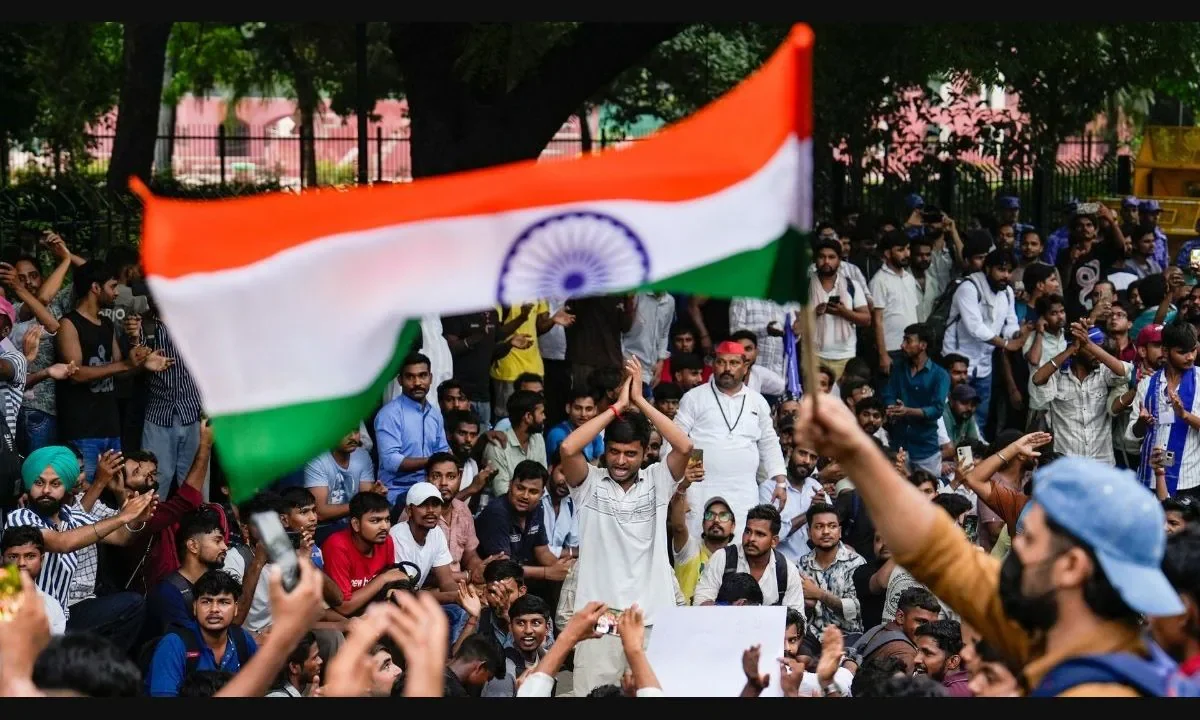
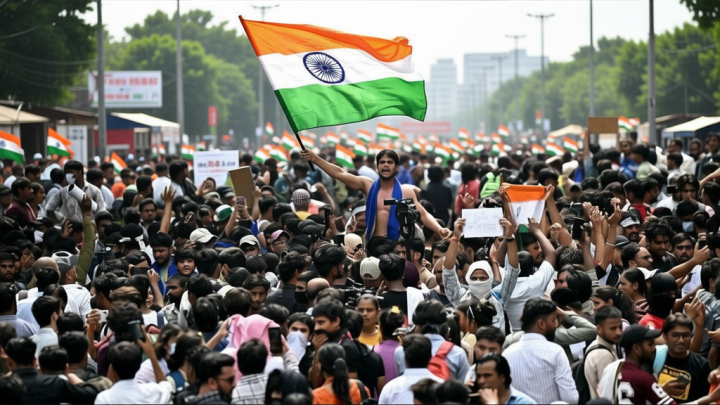
Indiadailyupdate.com – The Delhi High Court has directed the Delhi Police to maintain comprehensive video documentation of the recent Cockroach Janta Party (CJP) demonstration at Jantar Mantar. This directive comes after the court observed that complaints filed in two separate public interest litigations (PILs) represent systemic issues rather than isolated incidents of police excess. The bench, comprising Chief Justice Devendra Kumar Upadhyaya and Justice Tejas Karia, issued a notice to both the Central Government and the Delhi Police, seeking detailed responses regarding the use of tear gas and lathi charges during the protest.
What makes this development particularly significant is the timing. The High Court’s intervention occurred on the very same day that the Supreme Court declined to expedite a petition challenging the Delhi Police’s conduct toward CJP demonstrators. A three-judge bench led by Chief Justice of India Surya Kant, along with Justices Joymalya Bagchi and V. Mohana, refused to immediately review video evidence of the alleged violence. This contrast in judicial approaches has prompted the Delhi HC to take proactive measures in ensuring proper evidence preservation.
Legal Arguments and Video Evidence Dispute
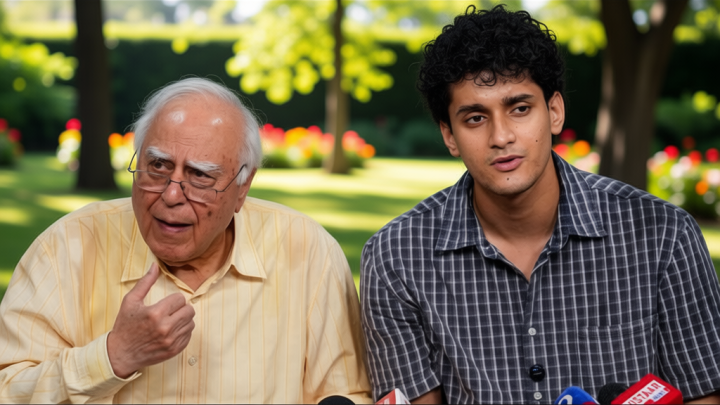
During the hearing, senior legal counsel presented contrasting perspectives on the nature of police action. Senior Advocate Vikas Singh challenged the Delhi Police’s assertion that CJP protesters initiated violence by throwing stones. He argued that no credible evidence existed to support this claim, despite the heavy-handed response from law enforcement. “Children from all walks of life were present at the gathering,” Singh emphasized, noting that the peaceful nature of the assembly was evident from multiple video recordings.
“There is still not a whisper in public domain that people gathered turned violent. There are videos of several people in civil clothes sitting, they along with the police attacked the protesters,” Singh told the court.
Advocate N. Hariharan, representing the petitioners, highlighted that more than 90 students sustained injuries during the confrontation. He urged the court to register a formal FIR against identifiable police personnel captured in the footage. The legal team also requested the establishment of an independent Special Investigation Team (SIT), arguing that the Delhi Police should not investigate its own members. “We can’t have Delhi Police investigating this. This has to be an independent agency,” Hariharan stated firmly.
The petitioners presented compelling visual evidence showing police officers using batons on protesters, including allegations of inappropriate conduct toward women. These claims, if substantiated, would represent serious violations of fundamental rights. The Delhi HC bench carefully reviewed video materials submitted by both parties before making its observations.
Next Steps and Broader Implications
The court’s directive to preserve CCTV footage and other video records ensures that crucial evidence will not be lost or tampered with. This precautionary measure is particularly important given the conflicting narratives emerging from the incident. The bench acknowledged that while they could not immediately verify all claims made by petitioners, the matter warranted thorough examination.
“We are not saying what (the petitioners) are saying is correct. We are also not in a position to verify the videos yet,” the bench clarified. The case is scheduled for further hearing on September 11, when the court will likely review the preserved evidence and police response in greater detail.
This development underscores the judiciary’s growing attention to police conduct during public demonstrations. The emphasis on video evidence preservation reflects a broader trend toward ensuring transparency and accountability in law enforcement actions. As the legal proceedings continue, the preservation of comprehensive documentation will play a crucial role in determining the validity of allegations made by both sides.