Why Sonam Wangchuk is Being Moved to Medanta: HC Orders Constant Monitoring
Context of the Hunger Strike
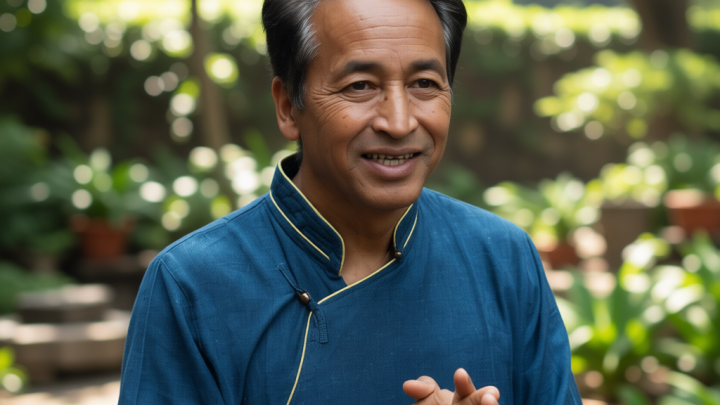
Indiadailyupdate.com – Activist Sonam Wangchuk, renowned for his advocacy in education and environmental reform, has sparked a legal debate by being transferred from Safdarjung Hospital to Medanta Hospital in Gurugram. This move, ordered by the Delhi High Court, follows a prolonged hunger strike that he began on June 28, demanding accountability over alleged examination misconduct in the state of Jammu and Kashmir. The court’s decision highlights the need for consistent medical oversight, particularly as Wangchuk’s condition remains a focal point of public and legal scrutiny. The transfer comes after his wife, Gitanjali Angmo, filed a petition challenging the court’s earlier Sunday order that had confined him to Safdarjung without formal detention. The controversy underscores the intersection of political activism, legal procedures, and health concerns in India’s judicial landscape.
Medical Justification and Court Rationale
The Delhi High Court’s ruling was based on a comprehensive review of medical reports and consultations with specialists from AIIMS, Safdarjung Hospital, and Wangchuk’s private physician. The division bench, led by Chief Justice D.K. Upadhyaya and Justice Tejas Karia, emphasized that continuous monitoring is critical for the activist’s health, particularly as his hunger strike has lasted over a month. The court’s order to move him to Medanta Hospital reflects a prioritization of medical stability, aligning with his preference for a facility he trusts. This decision also addresses the concern that his current condition requires more specialized care than what is available at Safdarjung, which had been the subject of earlier legal disagreements.
“After reviewing the medical reports and consulting with experts, the court found that consistent monitoring is essential for Sonam Wangchuk’s well-being. Medanta Hospital is better equipped to provide this, and we are confident the transfer will ensure his health is managed effectively,” stated Justice Karia in a detailed judgment.
Legal Proceedings and Petition Details
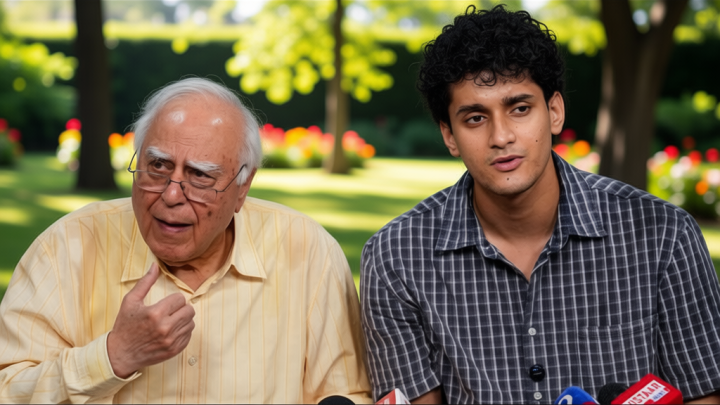
The petition filed by Gitanjali Angmo argued that the single judge’s Sunday order had effectively restricted Wangchuk’s freedom without adequate legal justification. Senior Advocate Akhil Sibal, representing the activist, presented long-term medical evidence to support the claim that his condition does not necessitate prolonged hospitalization. However, the court noted that while Wangchuk has received monitoring at the protest site, the absence of constant medical supervision raises concerns about his health. The ruling also mandates that all medical records from Safdarjung be transferred to Medanta to maintain continuity in treatment and avoid disruptions in his care.
Government’s Response and Medanta’s Role
In response to the court’s order, Solicitor General Tushar Mehta affirmed that the government has no objections to the transfer. “Sonam Wangchuk’s movement to Medanta is in line with the need for better medical facilities. While the court has recognized his preference, we remain committed to ensuring his treatment aligns with the broader legal framework,” Mehta said. Medanta Hospital, known for its advanced medical infrastructure and reputation for quality care, has been selected as the new facility. The court’s decision also acknowledges the importance of the activist’s concerns, including his letter to the authorities, which was cited as a key factor in the transfer.
Public and Media Reaction
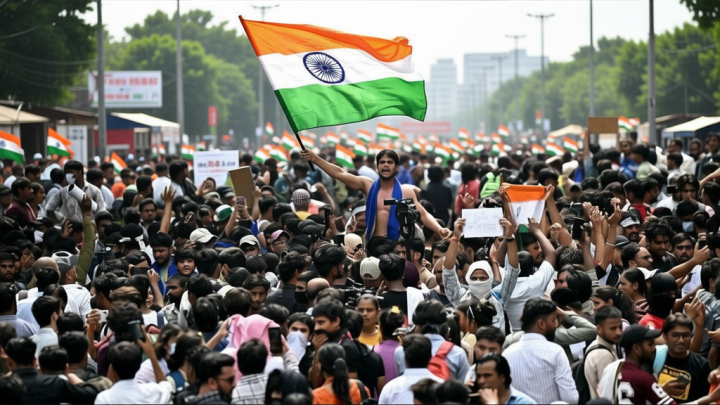
The transfer has ignited discussions among the public and media, with many highlighting the symbolic significance of moving a prominent figure to a private hospital. Critics argue that the decision may be influenced by political considerations, while supporters see it as a necessary step to prioritize Wangchuk’s health. Social media platforms have seen widespread commentary, with some accusing the government of using the hunger strike as a tool for political maneuvering. Others praise the court for addressing the medical aspects of the case, ensuring that Wangchuk’s health remains a top priority. The episode has also reignited debates about the treatment of activists in India, with calls for greater transparency in legal and medical decisions affecting public figures.
Broader Implications for Activists and Legal Frameworks
Wangchuk’s case is seen as a pivotal moment in the treatment of activists in India, where legal and health issues often intersect. His hunger strike, which has drawn attention from across the country, has become a symbol of resistance against perceived injustices. The court’s decision to transfer him to Medanta not only reflects his personal medical needs but also sets a precedent for future cases involving similar circumstances. Legal experts suggest that the ruling may influence how courts balance the rights of individuals with the demands of administrative control. For now, the focus remains on ensuring that Sonam Wangchuk receives the medical care he requires while maintaining the integrity of the legal process.