Will Delhi Police Cancel Passports of Violent CJP Protesters?
Understanding the Passport Cancellation Mechanism
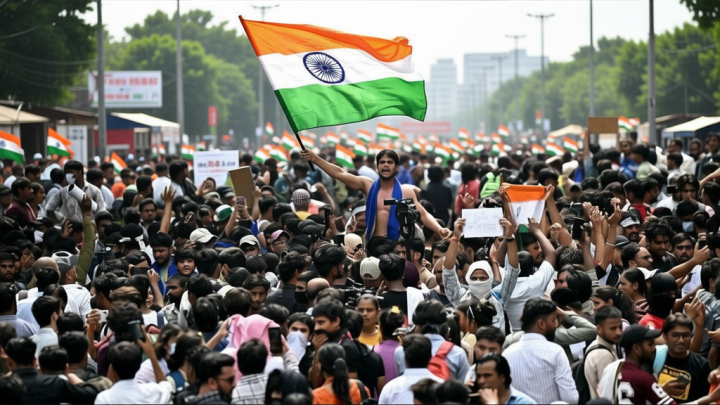
Indiadailyupdate.com – Will Delhi Police cancel passports of violent participants in the ongoing Cockroach Janta Party (CJP) demonstrations? This question has gained prominence as authorities consider using passport revocation as a tool to manage escalating tensions. The potential cancellation of travel documents represents a significant step in how law enforcement intends to address individuals deemed responsible for violent conduct during student-led rallies. These protests have been demanding educational reforms and the resignation of Union Education Minister Dharmendra Pradhan from his position.
Legal Framework and Court Directives
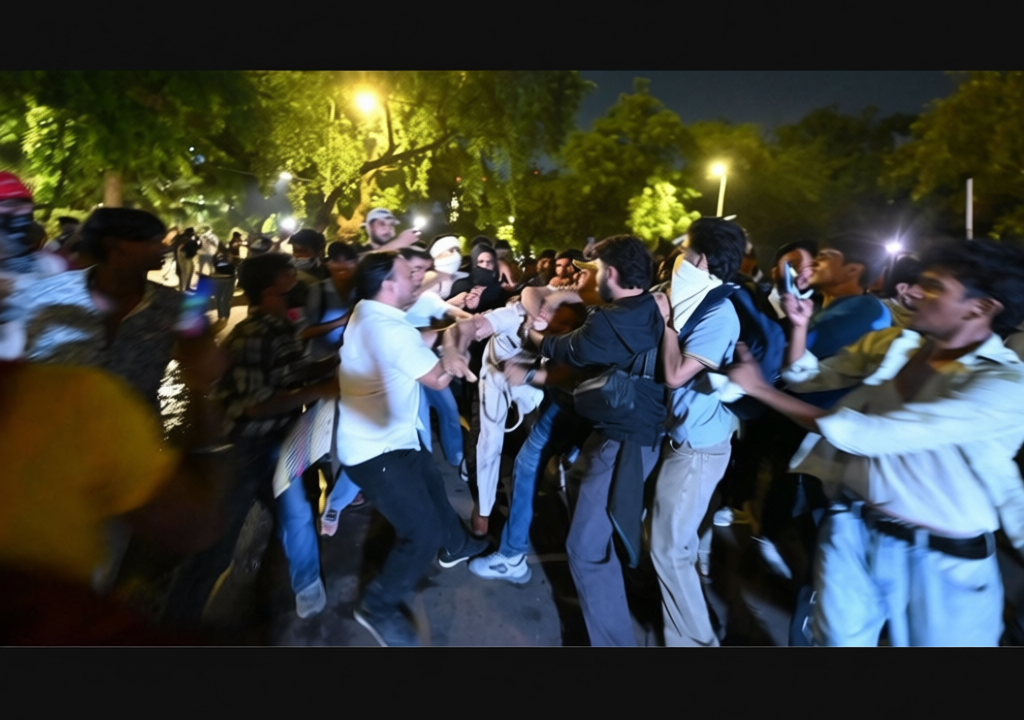
The legal basis for passport cancellation stems from existing provisions under the Passports Act, which empowers authorities to revoke documents of individuals involved in unlawful activities. Following a Delhi High Court directive issued on Wednesday, police officials have been instructed to preserve all video evidence documenting the demonstrations. This preservation order came after petitioners filed cases alleging that excessive force, including lathi charges and tear gas deployment, was used against peaceful demonstrators.
Petitioners contended that despite not initiating any violent actions, CJP protesters were subjected to disproportionate force by police personnel.
Evidence Collection and Identification Process
According to a PTI report referencing official sources, passport cancellation proceedings may commence against those identified as actively engaging in violence during the demonstrations. Police officials are currently reviewing CCTV recordings, video documentation, and additional technical evidence to pinpoint such individuals. This comprehensive evidence-gathering exercise aims to ensure that only those genuinely involved in violent acts face passport revocation, while protecting innocent participants from unnecessary legal complications.
Arrests and Detentions Across Delhi
Ground reports present a contrasting narrative to the petitioners’ claims. Police have arrested numerous demonstrators allegedly responsible for stone-throwing incidents, vehicle damage, and destruction of public infrastructure during the rallies. Over one hundred individuals were apprehended across multiple locations including Parliament Street, Patel Chowk, Constitution Club, and Shastri Bhawan, then transported to various police stations and temporary holding facilities throughout Delhi.
Officials noted that several detainees were not students, and investigations continue to determine their identities and objectives. This finding has raised questions about the composition of the protest movement and whether external elements have joined the student demonstrations, potentially contributing to the violence that has erupted in various parts of the capital.
Future Developments and CJP Response
The CJP is preparing for a countrywide demonstration on Friday, expressing solidarity with members who reportedly experienced police brutality. While party leaders have consistently called for non-violent conduct, questions remain regarding their ability to maintain discipline and whether authorities will need to employ forceful tactics. The potential passport cancellations could serve as both a deterrent and a punitive measure, depending on how the situation evolves in the coming days.
As investigations continue, the focus keyword question—Will Delhi Police cancel passports—remains central to understanding the government’s approach to managing the crisis. Legal experts suggest that the final decision will depend on the strength of evidence collected and the severity of violent incidents attributed to specific individuals. The outcome could set important precedents for how future protests are handled and what consequences participants might face for their actions during public demonstrations.