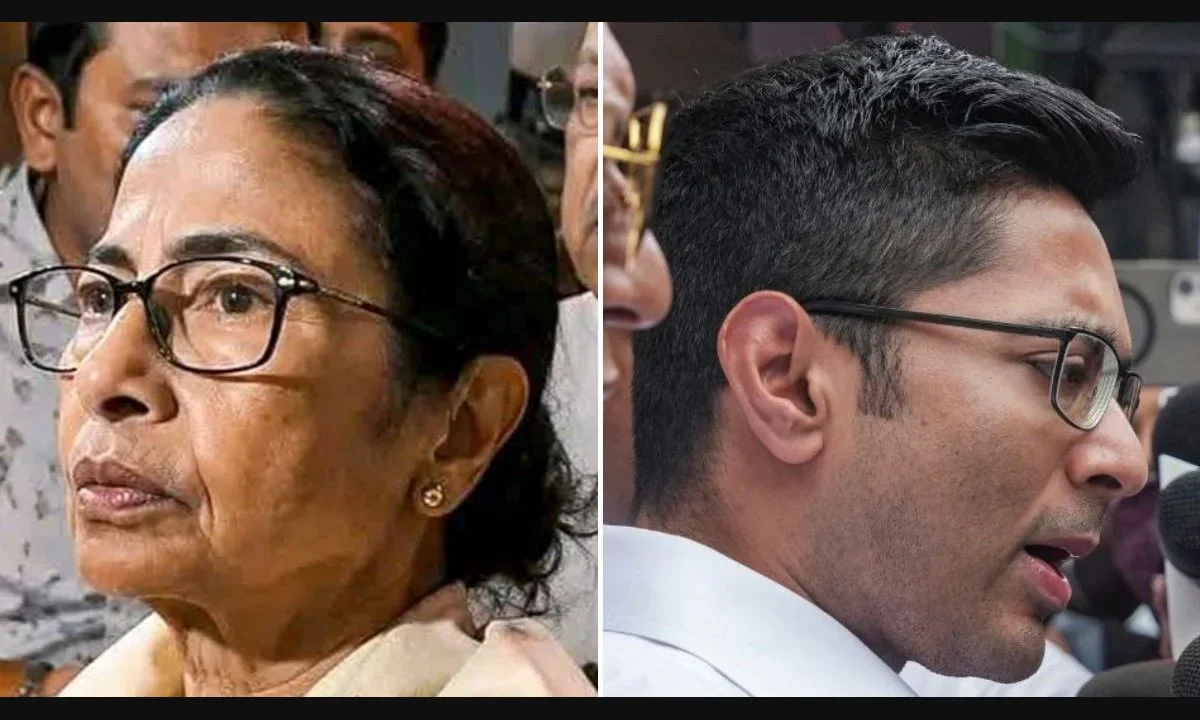
Abhishek Banerjee Challenges TMC Rebels with ‘Will Resign in 1 Hour’ Threat
Indiadailyupdate.com – Abhishek Banerjee, a prominent leader within the Trinamool Congress (TMC), has issued a stark challenge to dissenting members of the party, vowing to resign within an hour if they rejoin Mamata Banerjee’s faction. This bold declaration, made during a press conference on Saturday, underscores the escalating tensions within the TMC as a wave of defections continues to shake its foundations. Banerjee’s statement comes amid growing speculation about the party’s internal stability, with several key figures having recently split from the Mamata Banerjee-led coalition. His resolve to act swiftly adds urgency to the political drama unfolding in West Bengal.
Political Deterioration and Leadership Struggles
“Those who left the party and are now criticizing me today … I challenge them to return to Didi (Mamata Banerjee). If they do, I will resign from the party within an hour … But they won’t,”
Banerjee said, according to an ANI report. This statement reflects his frustration with the growing number of rebels who have criticized Mamata Banerjee’s leadership since the departure of 60 MLAs led by Ritabrata Banerjee. The TMC, which has long been a dominant force in West Bengal politics, is now grappling with the consequences of this internal exodus, which has eroded its numerical strength and weakened its parliamentary majority.
Banerjee’s challenge is part of a broader effort to consolidate the party’s support and reassert control over its members. He argued that the rebels’ departure was not a reflection of the TMC’s policies or performance but rather a result of external pressures, including investigations by the Enforcement Directorate (ED), Central Bureau of Investigation (CBI), and other agencies. This narrative aims to shift the blame from the party leadership to external forces, positioning Banerjee as a defender of the TMC’s integrity.
Defections and Strategic Shifts
The exodus from the TMC has accelerated in recent months, with key factions defecting to align with the National Democratic Alliance (NDA) coalition. The initial departure of 60 MLAs, led by Ritabrata Banerjee, was followed by a second wave involving 20 MPs, including influential figures like Kakoli Ghosh Dastidar and Satabdi Roy. These rebels joined the Tripura-based Nationalist Citizens Party of India (NCPI) to bolster the NDA’s presence in the state. The TMC’s leadership has accused these defectors of undermining the party’s unity and strategic goals, particularly as the government faces critical challenges in the upcoming legislative sessions.
Banerjee emphasized that his commitment to the TMC remains unshaken, even as he faces legal scrutiny. He mentioned being summoned by the Enforcement Directorate approximately 10 times and subjected to interrogations by the Central Bureau of Investigation (CBI), State Task Force, and state police. “I did not run away … There are 20-30 FIRs against me. I myself do not know the exact number. I have approached the High Court seeking a list from the DGP of all the FIRs registered against me,”
he said in a PTI video. This legal pressure has intensified as the TMC seeks to justify its leadership and deter further defections. By linking the rebels’ actions to external investigations, Banerjee aims to portray himself as a loyal member of the party who is being unfairly targeted, while also highlighting the vulnerability of the TMC’s leadership to internal and external threats.
The ongoing exodus has forced the TMC to reevaluate its strategy for maintaining control. With several high-profile leaders defecting, the party is now considering measures to retain its remaining members, including public endorsements and policy reassurances. Banerjee’s threat to resign in 1 hour adds pressure on the rebels to reconsider their positions, as they risk losing a key ally who could rally support back to the TMC. However, the rebels’ confidence in their own political momentum may make them less likely to backtrack, despite the consequences.
Analysts suggest that the TMC’s internal crisis is a reflection of deeper ideological and leadership divides. While Mamata Banerjee has maintained a firm grip on the party’s direction, Banerjee and his faction have grown increasingly critical of her decisions, particularly in the face of economic challenges and policy debates. The “Will resign in 1 hour” challenge is not just a personal stance but also a symbolic move to test the loyalty of the party’s base and signal a potential shift in power dynamics. As the political landscape in West Bengal continues to evolve, the TMC’s ability to navigate this crisis will determine its future stability and influence.