‘Will Stay Alive Till July 20’: Sonam Wangchuk’s Hunger Strike Intensifies Amid Political Tension
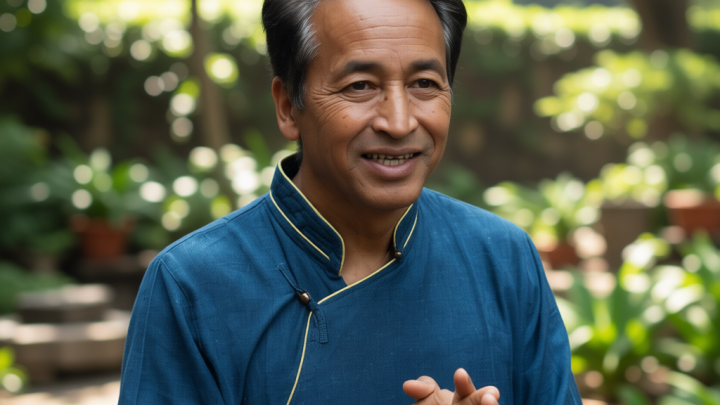
Indiadailyupdate.com – As the pressure mounts, climate activist Sonam Wangchuk has reiterated his commitment to the cause, declaring, “Will stay alive till July 20” in a decisive statement. The 20th day of his ongoing hunger strike has become a defining moment in the political discourse surrounding Education Minister Dharmendra Pradhan. Wangchuk, who has remained resolute in his demands, has not only outlined the conditions under which he might end his fast but also underscored the importance of public support. His message, delivered with unwavering determination, highlights the symbolic weight of the date—July 20, which marks the day before the Monsoon Parliamentary session—and the potential for a breakthrough in his campaign.
The Congress Party’s Role in the Movement
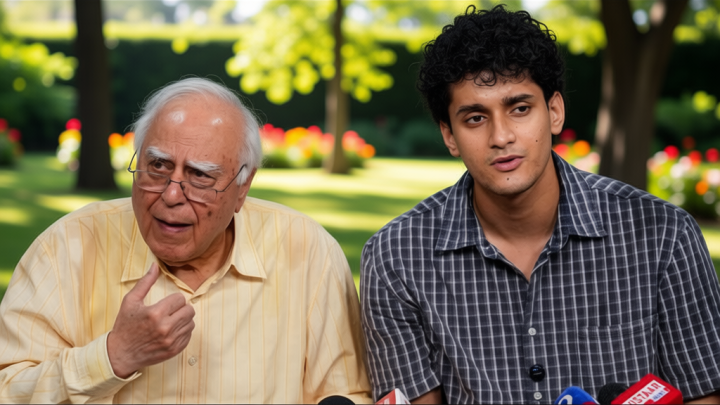
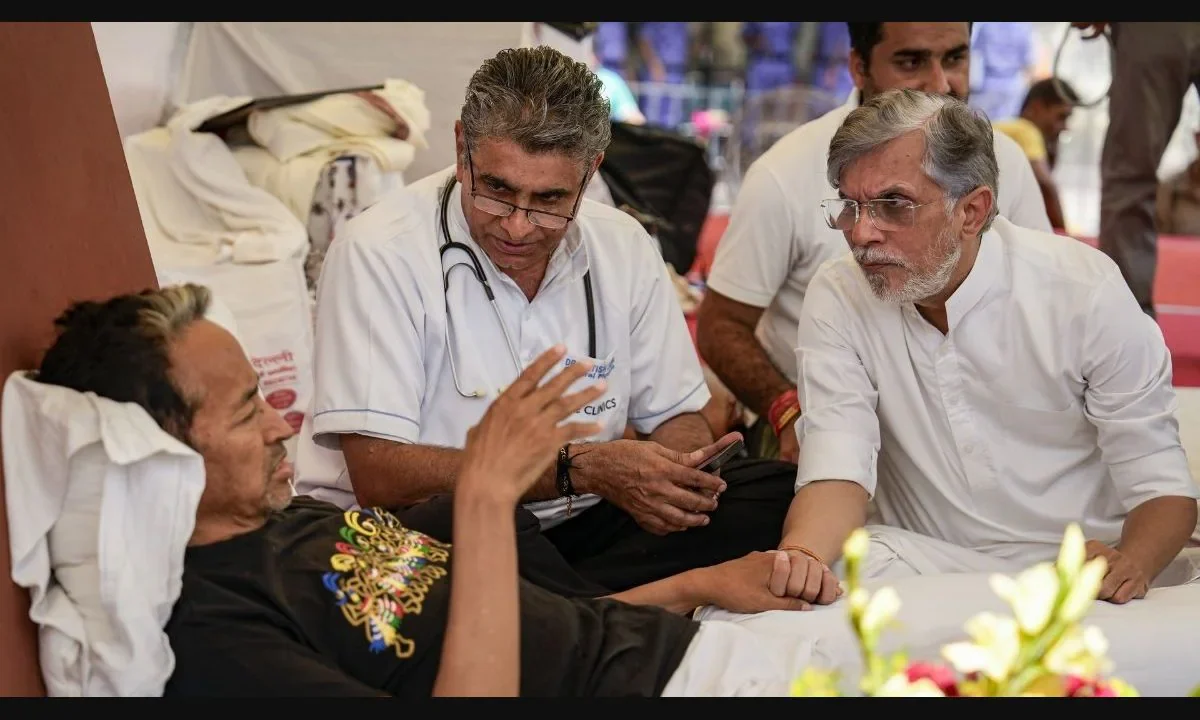
For the first time in the protest’s history, the Congress Party has taken a proactive stance by physically joining the crowd at Jantar Mantar. This symbolic gesture has sent a strong message of solidarity to Sonam Wangchuk and his supporters, signaling a shift in political alignment. Senior Congress leader Pawan Khera met with Wangchuk on Friday to reaffirm the party’s backing, emphasizing their shared goal of holding the minister accountable. Meanwhile, prominent leaders like Dimple Yadav and Aravind Kejriwal have also lent their voices to the cause, appearing on stage to engage directly with the demonstrators and rally their backing.
“I will stay alive till July 20 at any cost,” Wangchuk proclaimed to the gathering, his words resonating with urgency. He warned, “If you don’t come, and July 20 is not successful, I will come back as a ghost,” a metaphor that stirred both laughter and admiration among the crowd. This statement, however, was not just a plea—it was a calculated move to amplify the stakes of the protest. By anchoring his survival to the outcome of the march, Wangchuk has turned his personal sacrifice into a rallying cry for collective action.
Public Participation as a Catalyst for Change
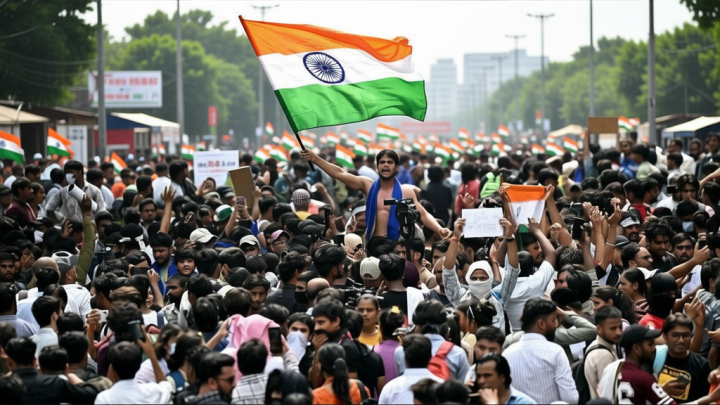
Wangchuk’s call for massive public turnout has taken center stage in the movement’s strategy. He urged participants to demonstrate solidarity by attending the march in unprecedented numbers, emphasizing that the strength of the protest lies in its people. “Bring your mothers, because a mother’s love for her child is unmatched,” he said, a plea that underscores the emotional and symbolic role of grassroots involvement. This appeal has not only deepened the public’s engagement but also framed the July 20 deadline as a test of national will. The activist’s insistence on linking his survival to the success of the day has transformed the protest into a national conversation about accountability and climate responsibility.
With the upcoming march poised to be a pivotal moment, Wangchuk’s decision to stay alive till July 20 has created a sense of anticipation and urgency. The pressure on the government to respond to his demands has intensified, with political analysts noting that the minister’s resignation could become a key outcome of the protest. The timing of the demonstration, just days before the Monsoon Parliamentary session, adds to its significance, as it aligns with the government’s focus on education and climate policies during the summer months.
Doctors monitoring Wangchuk’s health have expressed concern about the prolonged fast, though the activist has maintained that his condition remains stable. “You are concerned about your life, what about the 20 who committed suicide?” he challenged, referencing previous hunger strikes that ended in tragic outcomes. This rhetorical question highlights Wangchuk’s strategic balancing act—he is not only demanding action but also ensuring that the movement’s message remains unyielding. By choosing a middle path, he aims to avoid extreme measures while keeping the public’s attention on the critical date of July 20.
As the final week of the fast approaches, the atmosphere at Jantar Mantar has grown charged with hope and anxiety. Sonam Wangchuk’s declaration of “Will stay alive till July 20” has become a mantra for the protesters, who gather in large numbers each day to show their unwavering support. The movement’s momentum reflects the growing awareness of climate issues and the power of collective action. With the Congress Party’s endorsement and the public’s participation, the July 20 march stands as a testament to the enduring spirit of the cause. The activist’s resolve to remain on the hunger strike until this pivotal day underscores the high stakes of the protest and its potential to reshape political narratives in India.