Devotees Protest Closure of 136-Year-Old Bankra Mosque at Kolkata Airport
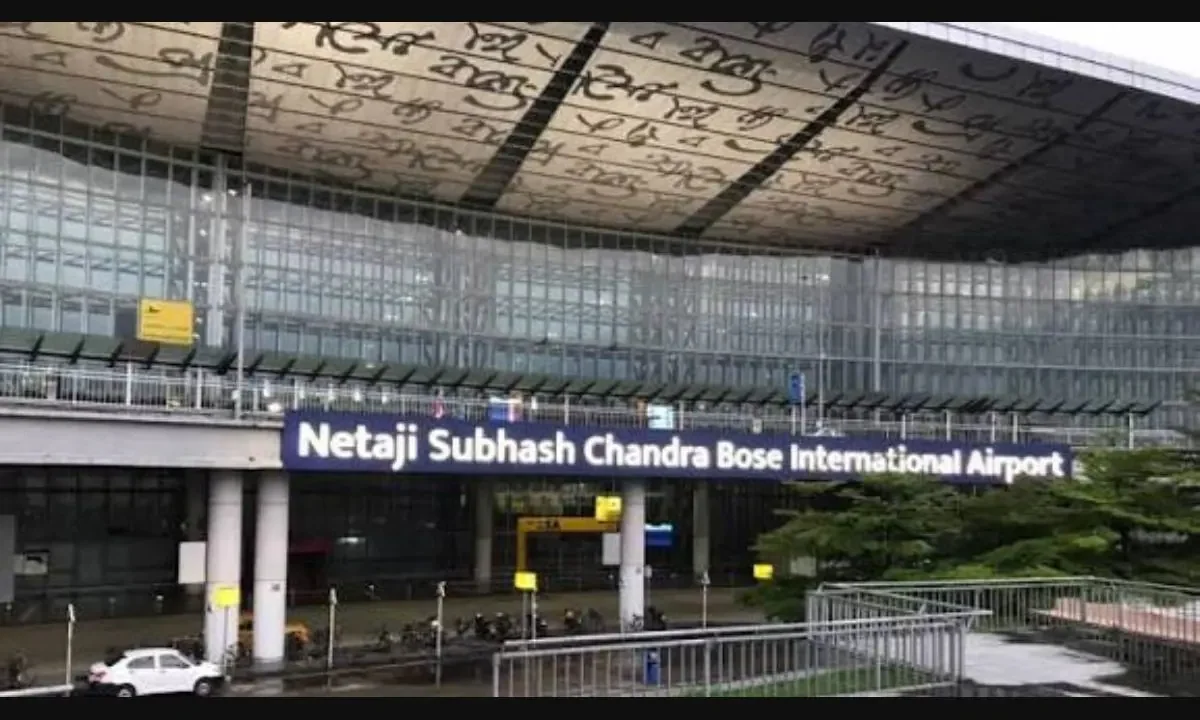
Indiadailyupdate.com – The Devotees are set to initiate a protest against the closure of the 136-year-old Bankra mosque, which is located within the premises of Kolkata’s Netaji Subhash Chandra Bose International Airport. The mosque, a historic religious site, has been shut down since July 11, after being closed for two days under the guise of required repairs. This decision has sparked concern among local worshippers and community leaders, who argue that the closure is an unfair disruption of their religious practices. The protest, scheduled during Friday prayers, aims to highlight the significance of the mosque and demand its reopening. Devotees to protest closure of 136-year-old Bankra mosque located on Kolkata airport premises will emphasize peaceful demonstrations and nonviolent methods to ensure their voices are heard.
Historical and Cultural Significance of the Bankra Mosque
The Bankra mosque, established in the late 19th century, holds deep historical and cultural value for the community in Kolkata. It has been a central place of worship for generations, serving as a spiritual and social hub for local Muslims. Over the decades, the mosque has witnessed the evolution of the region, and its closure has raised questions about the impact of modernization on religious heritage. The mosque’s long-standing presence within the airport complex has made it a unique symbol of coexistence between religious traditions and infrastructure development. Devotees to protest closure of 136-year-old Bankra mosque located on Kolkata airport premises are now rallying to preserve this legacy, arguing that the site’s preservation is essential to maintaining cultural identity.
Local historians and religious scholars have noted that the Bankra mosque represents an important chapter in Kolkata’s history. Its architectural style, which blends traditional Bengali elements with Islamic design, reflects the city’s diverse cultural landscape. The mosque’s location on the airport premises has also made it a point of interest for travelers and locals alike, drawing attention to its historical importance. Despite its age, the structure remains well-maintained, and its closure has left many puzzled, especially since the airport authorities had previously allowed prayers to take place. The protest seeks to address this confusion and ensure that the mosque’s status as a protected religious site is upheld.
Committee Leader’s Vision for the Protest
Siddiqullah Chowdhury, the former minister and head of the Bankra mosque committee, has outlined the protest’s objectives with clarity. In a statement, he emphasized that the demonstration will focus on unity and nonviolent resistance. “We have invited one crore individuals to participate by wearing black ribbons and performing namaz, praying to Allah, and returning to the mosque. This will not involve rallies, loudspeakers, or political canvassing,” Chowdhury said. His vision highlights the community’s commitment to peaceful dialogue, even as they demand the mosque’s reopening. The black ribbons, a symbol of mourning and solidarity, are intended to draw attention to the mosque’s importance and the inconvenience caused to worshippers.
The committee members have presented a government permit to the airport authorities, asserting their right to hold prayers at the site. This permit, which was issued under a 24-year agreement with the Airport Authority of India, has been a key point in their argument. Chowdhury pointed out that the closure appears to be a misunderstanding, as the mosque was originally built before the airport expansion. “What’s their issue with providing the letter?” he questioned, suggesting that the authorities’ reluctance to acknowledge the permit is a deliberate effort to challenge the community’s religious rights. The protest is seen as a response to this perceived injustice, with the aim of restoring the mosque’s status as a functioning place of worship.
Community and Religious Leaders React
The closure of the Bankra mosque has drawn widespread concern from community members and religious leaders in Kolkata. Many have expressed frustration over the prolonged shutdown, which has disrupted their daily routines and religious observances. “This mosque has been a part of our lives for over a century. To close it without proper notice is a betrayal of our trust,” said one local resident. Others have highlighted the emotional impact of the closure, noting that the site holds personal and communal significance. The protest is viewed not just as a demand for the mosque’s reopening but as a statement of cultural preservation and religious freedom.
Religious leaders have also weighed in, urging the authorities to reconsider their decision. They emphasize that the mosque’s closure is more than a logistical inconvenience—it is a symbolic act that could affect the community’s sense of belonging. “We are not asking for special treatment, just the right to pray in a place that has been ours for over 130 years,” said a prominent imam. The protest has united people across different backgrounds, with many seeing it as a collective effort to protect religious heritage. Devotees to protest closure of 136-year-old Bankra mosque located on Kolkata airport premises hope that their peaceful demonstration will prompt a resolution that respects both the mosque’s historical value and the airport’s operational needs.
As the protest date approaches, there is a palpable sense of anticipation among the community. The demonstration, scheduled for Friday prayers, is expected to draw a large crowd, with participants from across Kolkata. Local media outlets are covering the event closely, highlighting the historical context of the Bankra mosque and the significance of the protest in the broader narrative of religious rights. The airport authorities have yet to comment on the planned demonstration, but the committee remains hopeful that the voices of the Devotees to protest closure of 136-year-old Bankra mosque located on Kolkata airport premises will be acknowledged. The outcome of this protest could set a precedent for how religious spaces are managed in urban settings, emphasizing the balance between development and tradition.