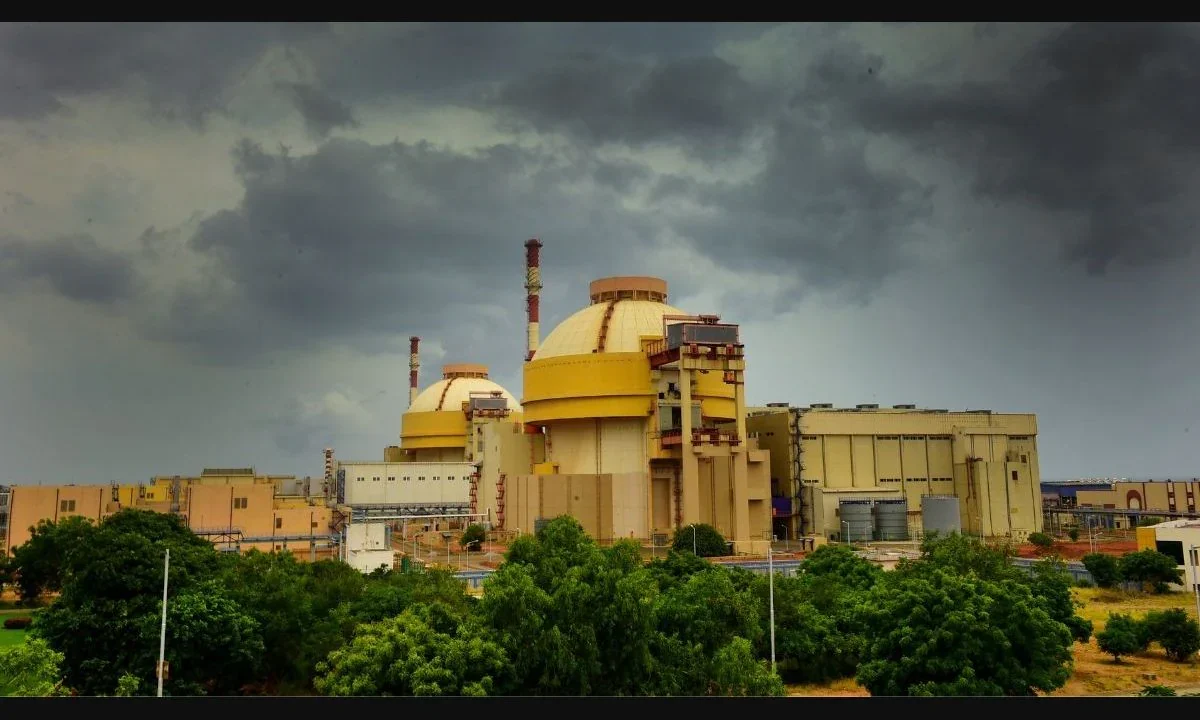

India’s Nuclear Files Leaked on Dark Web? Over 8,58,000 Files from Kudankulam Plant Exposed, Reliance Group Admits ‘Partial Breach’
Indiadailyupdate.com – India s nuclear files leaked on the dark web, according to a recent report, as more than 8,58,000 documents from the Kudankulam Nuclear Power Plant (KNPP) were reportedly shared online. The incident has sparked concerns about the security of sensitive nuclear data, particularly given the plant’s significance in India’s energy expansion plans. Reliance Group, a major player in the project, confirmed a ‘partial breach’ of its systems, though the exact scope and details of the data exposed remain under investigation.
The Kudankulam Nuclear Plant: A Strategic Energy Hub
Located in Tamil Nadu, the Kudankulam Nuclear Power Plant is a joint venture between India and Russia, featuring advanced VVER-1000 Light Water Reactors. These reactors are designed to produce higher power output compared to India’s indigenous Pressurised Heavy Water Reactors (PHWRs), making the plant a key component of the country’s nuclear energy strategy. With four additional units set for completion by 2027, the project underscores India’s ambition to diversify its energy sources and reduce dependence on fossil fuels. Reliance Group, through its subsidiary Reliance Infrastructure, plays a pivotal role in constructing the first two of these new units.
According to a Reuters report, the breach was attributed to the ransomware group World Leaks, which claimed the data originated from Reliance Group. While the group’s assertion is under scrutiny, the leak includes 19,000 highly sensitive files, spanning from 2016 to 2025. These documents detail operational blueprints, supplier records, meeting logs, inspection reports, equipment reviews, and insurance contracts. The exposure of such information raises questions about the adequacy of cybersecurity measures at the plant and its affiliated entities.
Reliance Group’s Response to the Data Leak
Reliance Group acknowledged the breach to Reuters, stating that a ‘partial breach’ had occurred through a server managed by Yotta, an Indian data centre provider. The company informed the government of the incident but has yet to specify which files were compromised. This admission highlights the growing importance of corporate cybersecurity in safeguarding critical infrastructure data. Yotta, which operates under the Reliance Group umbrella, is now under pressure to clarify its role and the extent of the data vulnerability.
“This data breach could pose a ‘serious’ risk to the plant’s safety and operational integrity,” said Nickolas Roth, a senior director at the Nuclear Threat Initiative. The organization, which specializes in nuclear security analysis, emphasized that the leak might provide adversaries with insights into India’s nuclear capabilities and plans.
As the breach unfolds, the Indian Computer Emergency Response Team (CERT-In) is leading the investigation to determine the source and severity of the incident. A government source revealed that while the leak has not yet compromised the plant’s core safety systems, it has exposed internal documentation that could be exploited for strategic advantage. The situation underscores the need for enhanced data protection protocols, especially in projects involving international collaboration and high-stakes energy goals.
Implications for India’s Nuclear Security
The India s nuclear files leaked incident has reignited discussions about the security of nuclear facilities in the face of digital threats. Experts warn that such breaches could disrupt India’s efforts to achieve energy independence, particularly as the KNPP is central to the nation’s nuclear expansion. The files include detailed engineering plans, maintenance schedules, and security protocols, which, if accessed by foreign entities, might influence decisions on reactor operations or strategic deployments.
Analysts also note that the breach reflects a broader trend of cyber threats targeting critical infrastructure. With global reliance on digital systems increasing, the risk of data exposure in sectors like energy and defense has grown significantly. Reliance Group’s admission of a partial breach suggests that even private entities handling state projects are vulnerable to cyber attacks. The incident has prompted calls for stricter cybersecurity frameworks and real-time monitoring of data flows in high-profile projects.
While the breach has not led to immediate operational disruptions, it has highlighted gaps in India’s data protection strategy. The government is reportedly reviewing its cybersecurity policies to ensure that sensitive nuclear information remains secure. The Kudankulam plant, which currently generates 2,000 megawatts of power, is a symbol of India’s growing nuclear ambitions, and the leak serves as a sobering reminder of the risks associated with digital security in such initiatives.