Key Bills and a Stronger NDA: Parliament’s Monsoon Session Agenda
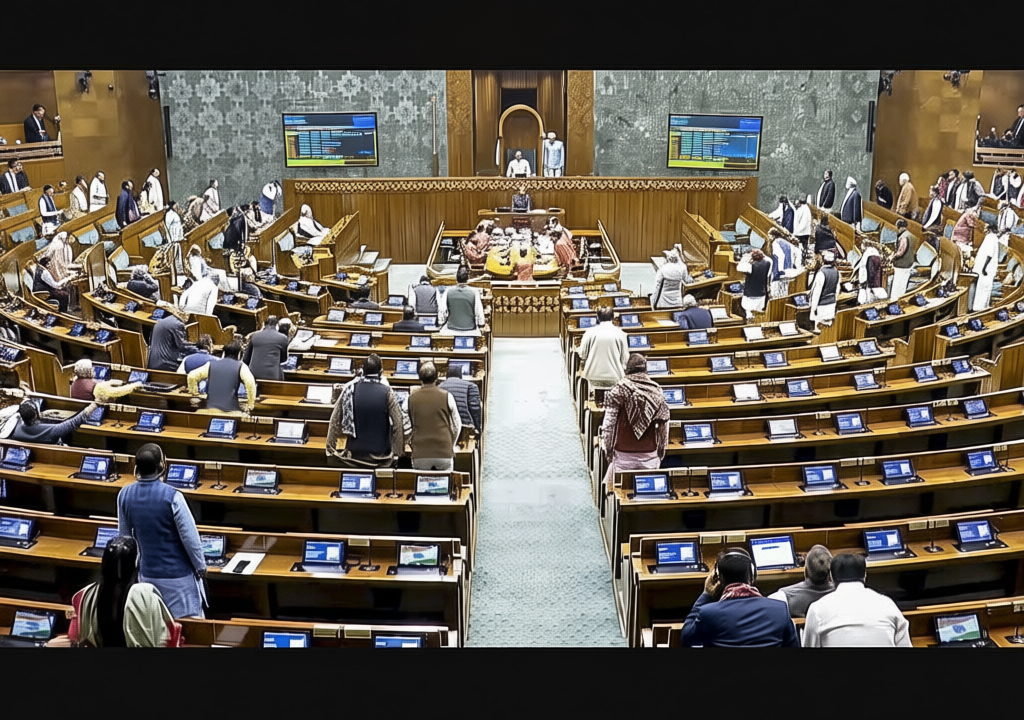
Indiadailyupdate.com – With the monsoon session of Parliament scheduled to begin on July 20, the National Democratic Alliance (NDA) has outlined its legislative priorities, focusing on key bills and a stronger position to push through major reforms. Parliamentary Affairs Minister Kiren Rijiju confirmed the session dates in a tweet, stating, “The monsoon session will run from July 20 to August 13.” He emphasized that the Hon’ble President, Smt. Droupadi Murmu, had approved the summoning of both parliamentary houses based on the government’s recommendation, setting the stage for a pivotal period in India’s political and legislative calendar.
NDA’s Enhanced Majority
The National Democratic Alliance (NDA) has secured a stronger foothold in the Rajya Sabha, amassing 141 seats along with 10 nominated and independent members, totaling 151. This majority, though surpassing the simple threshold, remains 11 seats short of the two-thirds requirement needed for constitutional amendments. In the Lok Sabha, the coalition’s combined support—encompassing its own MPs and allies such as rebel TMC and AAP members—could reach 312, which is still below the 363 votes required for implementing critical reforms. Despite this, the NDA is leveraging its strengthened position to advance key bills, including those related to women’s representation, political accountability, and foreign contribution regulations.
Women’s Reservation and Delimitation
A central focus of the monsoon session will be the Constitution (131st Amendment) Bill, which aims to reserve one-third of Lok Sabha and state assembly seats for women. This bill is being paired with a delimitation exercise based on the 2011 census data, potentially expanding the Lok Sabha’s size from 543 to 816 ahead of the 2029 elections. While the previous version of the bill faced defeat in 2025 due to insufficient support, the NDA’s strengthened position and shifting alliances among regional parties like the TMC and AAP could now make it a viable agenda item. The bill’s passage would mark a significant step toward gender parity in Indian politics, aligning with the NDA’s push for key reforms.
Political Accountability Measures
The Constitution (130th Amendment) Bill, which allows the removal of a Prime Minister or Chief Minister if arrested for 30 days or more on charges of serious offenses, including corruption, is another key legislative priority. Introduced in 2025, the bill was referred to the Joint Parliamentary Committee (JPC) after facing strong opposition. With the NDA’s stronger majority, the proposal now has a higher chance of passing, though it remains a contentious issue. The bill seeks to enhance political accountability, a theme central to the NDA’s key bills and its broader agenda of strengthening institutional power.
Foreign Contribution Regulation
The Foreign Contribution (Regulation) Amendment Bill is set to be a major point of discussion, aiming to tighten controls on foreign donations to individuals and organizations in India. A key provision allows a designated authority to seize and manage assets of entities that lose their FCRA license, raising concerns about the autonomy of voluntary organizations. Kerala and other states have voiced criticism, arguing that the amendment could undermine the independence of groups working in social and educational sectors. The NDA’s stronger position may enable the passage of this bill, which is part of its broader focus on key reforms to safeguard national interests.
One Nation, One Election Initiative
The Constitution (129th Amendment) Bill for One Nation, One Election is expected to be another key bill under review, aiming to synchronize all major elections into a single cycle. This reform, supported by the NDA, is framed as a way to streamline the electoral process, though the Opposition views it as a tactic to consolidate power. “Key bills and a stronger NDA are using this as a tool to control the political narrative,” remarked Congress media chief Jairam Ramesh, highlighting the debate over its implications. The bill’s success will depend on the NDA’s ability to secure support, despite the opposition’s criticisms.
Strategic Implications and Public Reaction
The NDA’s focus on key bills and a stronger legislative position reflects a strategic move to shape the political landscape. With the monsoon session beginning on July 20, the government is likely to prioritize bills that address governance, social equity, and economic reforms. Public reaction to these proposals will be critical, as they may influence voter sentiment in upcoming elections. The NDA’s strengthened majority provides a clearer pathway for implementing these bills, though challenges remain in uniting diverse political factions. The session will test the alliance’s ability to navigate complex debates and pass legislation that aligns with its vision for India’s future.