Monsoon Session: Political Dynamics and Legislative Hurdles
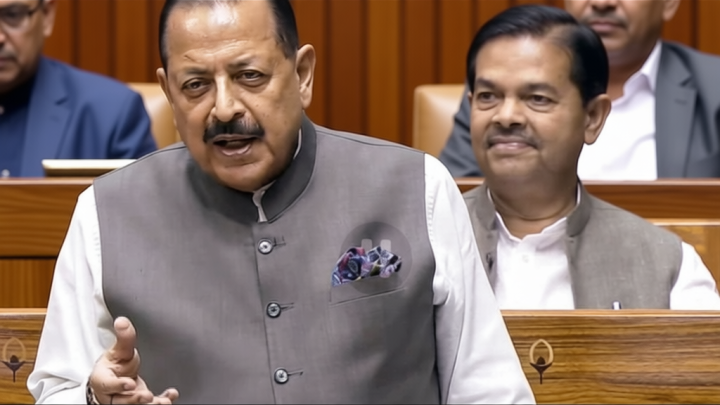
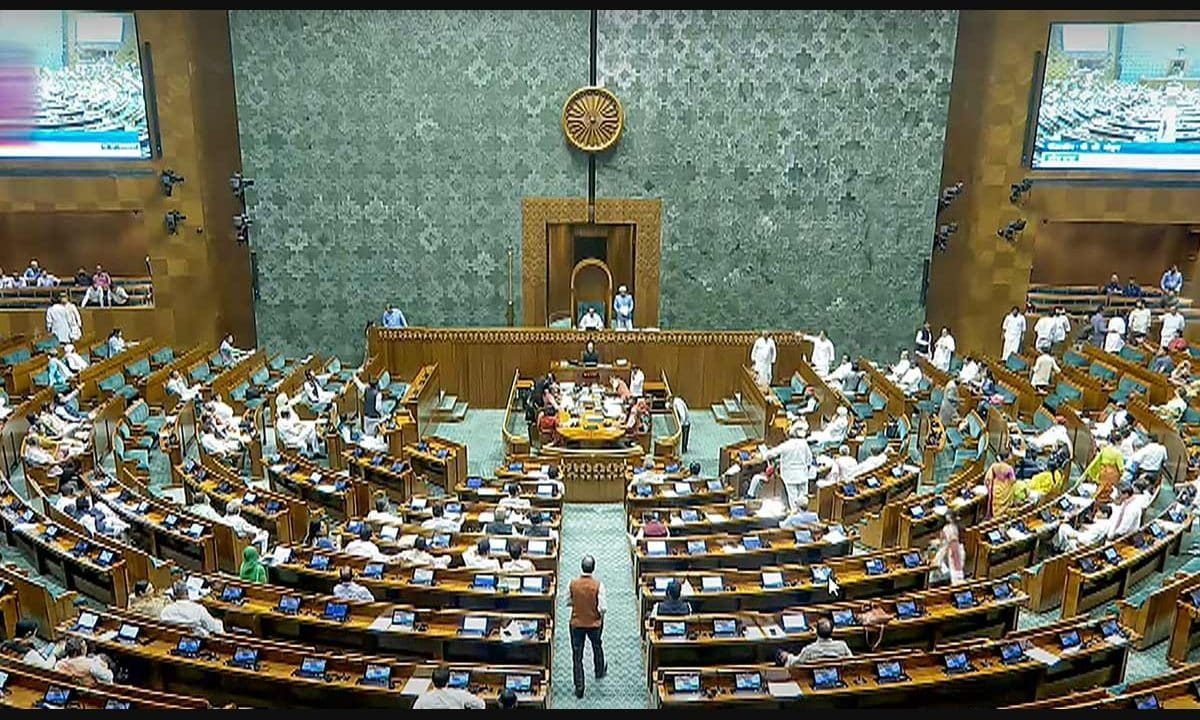
Indiadailyupdate.com – As the Monsoon Session of Parliament kicks off, the government is under pressure to secure passage for two major bills—the delimitation bill and the women’s reservation bill—that have sparked significant debate and political maneuvering. These proposals, which aim to redraw electoral boundaries and reserve more seats for women in state assemblies, are expected to face renewed scrutiny as the ruling NDA seeks to build a consensus across party lines. The outcome of these discussions during the Monsoon Session will not only shape India’s legislative agenda but also test the durability of current political alliances.
The Delimitation Bill: A Constitutional Challenge
The delimitation bill, which seeks to revise the boundaries of parliamentary and assembly constituencies, has been a contentious topic since its introduction. While the government argues that the bill is essential for fair representation based on population redistribution, opposition parties have raised concerns about potential bias. During the Monsoon Session, the bill’s fate will hinge on the ability of the ruling coalition to secure support from smaller parties and independent legislators. Political dynamics, including recent shifts within the opposition and the BJP’s strengthened position, are likely to play a critical role in this process.
Historically, delimitation has been a tool for political advantage, with states like Tamil Nadu and West Bengal vying for increased representation. The proposed amendments, however, have faced criticism for their broad implications, including the possibility of favoring larger states. The NDA’s recent victory in West Bengal has bolstered its position, but securing a two-thirds majority remains a tall order. This challenge underscores the delicate balance between legislative goals and political pragmatism during the Monsoon Session.
The Women’s Reservation Bill: Progress or Obstruction?
The women’s reservation bill, which aims to reserve 33% of seats for women in state legislative assemblies, has been a long-standing demand for gender equity. Though the bill was previously tabled, it failed to gain enough traction due to opposition from parties like the Shiv Sena and BJP. During the Monsoon Session, the government is pushing for a revised version of the bill, hoping to garner support from parties such as the NCP and AAP. The bill’s passage could mark a significant step toward increasing women’s political participation, especially in states where representation is still low.
Opposition parties, including the Congress, have voiced concerns about the bill’s provisions and its impact on existing political structures. The Congress, for instance, has criticized the government for delaying the bill and is pushing for its immediate consideration. Meanwhile, the Samajwadi Party has accused the administration of lacking transparency in other areas, potentially complicating its support for the reservation bill. The Monsoon Session will thus serve as a crucial platform for negotiating these differences and aligning interests.
Blockquote:
“Our party may support the delimitation bill if the increase in Lok Sabha seats is uniformly 50% across states instead of relying solely on population redistribution,” said NCP leader Supriya Sule. This suggestion highlights the importance of addressing regional concerns to ensure broad-based support during the Monsoon Session. The government is also exploring alliances with the DMK and Samajwadi Party, aiming to leverage their backing for both bills. However, internal disagreements and strategic considerations could still derail these efforts.
Strategic Alliances and Opposition Stances
With the Monsoon Session underway, the government is actively seeking alliances to overcome the hurdles posed by opposition groups. The BJP-led NDA’s recent gains in West Bengal and other states have provided a strategic advantage, but smaller parties and regional leaders remain key players in the legislative process. The government’s ability to negotiate with these groups will determine the success of the delimitation and women’s reservation bills. Meanwhile, the Congress and AAP are closely monitoring the developments, as their support or resistance could significantly influence the outcome.
Political dynamics are further complicated by the ongoing debates over other issues, such as the NEET-UG paper leak and the Ram Janmabhoomi donations. The Congress has used these topics to challenge the government’s credibility, while the Samajwadi Party has focused on accountability in the administration. These distractions may affect the prioritization of the main bills during the Monsoon Session, as lawmakers juggle multiple agendas. However, the urgency of the legislative calendar and the need for constitutional reforms are likely to keep the focus on these critical proposals.
As the Monsoon Session progresses, the interplay between political strategies and legislative demands will become more pronounced. The government’s coalition-building efforts, combined with the opposition’s stance on key issues, will shape the session’s trajectory. The outcome of these discussions could set a precedent for future parliamentary sessions and influence the broader political landscape. With the Joint Parliamentary Committee releasing its report on July 17, the stage is set for a decisive phase in the passage of these bills.