Mumbai Rains: BMC Shuts Critical Roads and Bus Routes Amid Heavy Flooding
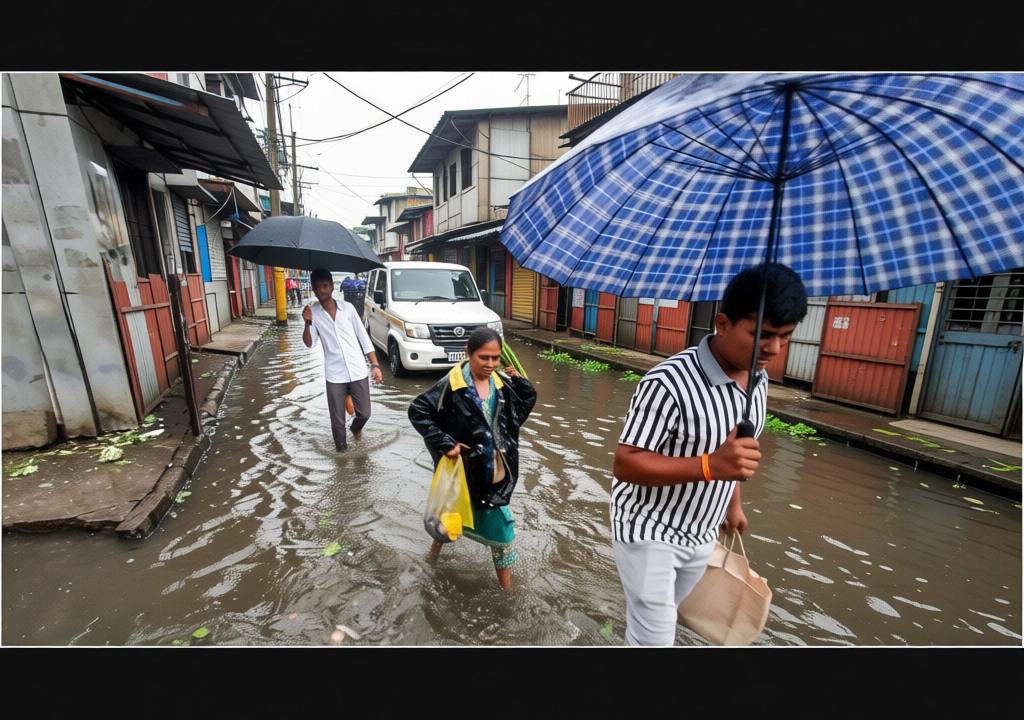
Indiadailyupdate.com – As Mumbai rains continue to challenge the city’s transportation network, the Brihanmumbai Municipal Corporation (BMC) has taken decisive action to ensure safety and prevent further disruptions. The relentless downpours on July 4, 2026, led to widespread waterlogging, prompting the civic body to close major roads and adjust public transport schedules. With the India Meteorological Department (IMD) having predicted intense rainfall, residents were advised to stay cautious, as Mumbai rains proved to be more severe than anticipated, causing chaos in urban mobility.
Impact of Heavy Rainfall on Urban Mobility
The monsoon season has once again tested Mumbai’s infrastructure, with waterlogging turning once-sure pathways into hazardous zones. According to officials, over 100 mm of rain fell in parts of the city within 24 hours, forcing the BMC to implement immediate closures. The affected areas included key junctions and arteries such as Noor-e-Ilahi Service Road and Chembur Veera Desai Road, which became impassable due to flooded streets. The decision to shut these roads was aimed at reducing the risk of accidents and easing traffic congestion caused by the Mumbai rains.
“The BMC prioritized safety by halting traffic on vulnerable roads during the peak of the monsoon surge,”
said a spokesperson, emphasizing the city’s preparedness for extreme weather. However, the scale of the disruption highlights the challenges faced by Mumbai during the rainy season, where even minor downpours can paralyze movement across the city.
Bus Route Adjustments and Commuter Challenges
With Mumbai rains intensifying, the Brihanmumbai Electric Supply and Transport (BEST) service was significantly affected. Multiple bus routes were rerouted or suspended as flooding made certain roads impassable. For instance, Route 322 was diverted via Raju Badekar Marg, while Pedder Road’s routes 76, 62, 86, 305, and others were redirected after a tree collapse. These adjustments were necessary to maintain operations while ensuring the safety of passengers and drivers.
“Commuters experienced delays and detours as the BMC and BEST coordinated to manage the crisis,”
noted a report from Mid-Day. The situation was compounded by the fact that many routes, such as those passing through Aarey Colony Unit No. 25 and Vidyavihar ST Depot, faced prolonged suspensions. This not only disrupted daily routines but also exposed the fragility of the city’s public transport system during extreme weather events.
Additionally, the Mumbai rains caused widespread disruptions to subway services, with Andheri Subway routes 202, 203, 256, and 180 being rerouted through alternative paths. Sainath Subway routes 460 and 345 also saw changes, as did Vidyavihar ST Depot routes 62, 322, 323, and 613. These modifications required careful planning to maintain connectivity while navigating the challenges posed by the monsoon season.
Metro Line 2A: Technical Issues Amid Flooding
While road and bus disruptions dominated the immediate response, the Mumbai rains also triggered a technical glitch on Metro Line 2A. The Maha Mumbai Metro Operation Corporation Limited (MMMOCL) confirmed that delays lasted approximately 90 minutes during peak hours, disrupting the flow of thousands of commuters. The fault occurred between Dahisar East and Kandarpada stations, affecting the corridor that serves Andheri West and other densely populated areas.
“Despite the challenges, technical teams swiftly resolved the fault, restoring normal operations on both tracks,”
stated a spokesperson. The incident underscored the interconnectedness of Mumbai’s transport systems, where the impact of flooding extends beyond roads to affect subways and electric transport networks. Metro services, often relied upon during the rains, now faced their own set of obstacles, highlighting the need for contingency plans in such scenarios.
Broader Implications for Mumbai’s Infrastructure
The combined effect of Mumbai rains and the BMC’s emergency measures has drawn attention to the city’s vulnerability during monsoon season. With over 100 mm of rainfall recorded in key areas, experts warn that Mumbai’s drainage systems and road networks require urgent upgrades. The closures and diversions have not only caused inconvenience but also raised questions about the city’s readiness for increasingly severe weather patterns.
Residents and businesses across Mumbai have adapted to the situation, with many opting for private vehicles or alternative routes. However, the ongoing disruptions emphasize the importance of resilient infrastructure. As the city grapples with the consequences of the Mumbai rains, officials are under pressure to implement long-term solutions to mitigate future impacts.