Nobody Had Time to Escape: Kerala’s Deadly Landslide Linked to Tunnel Construction
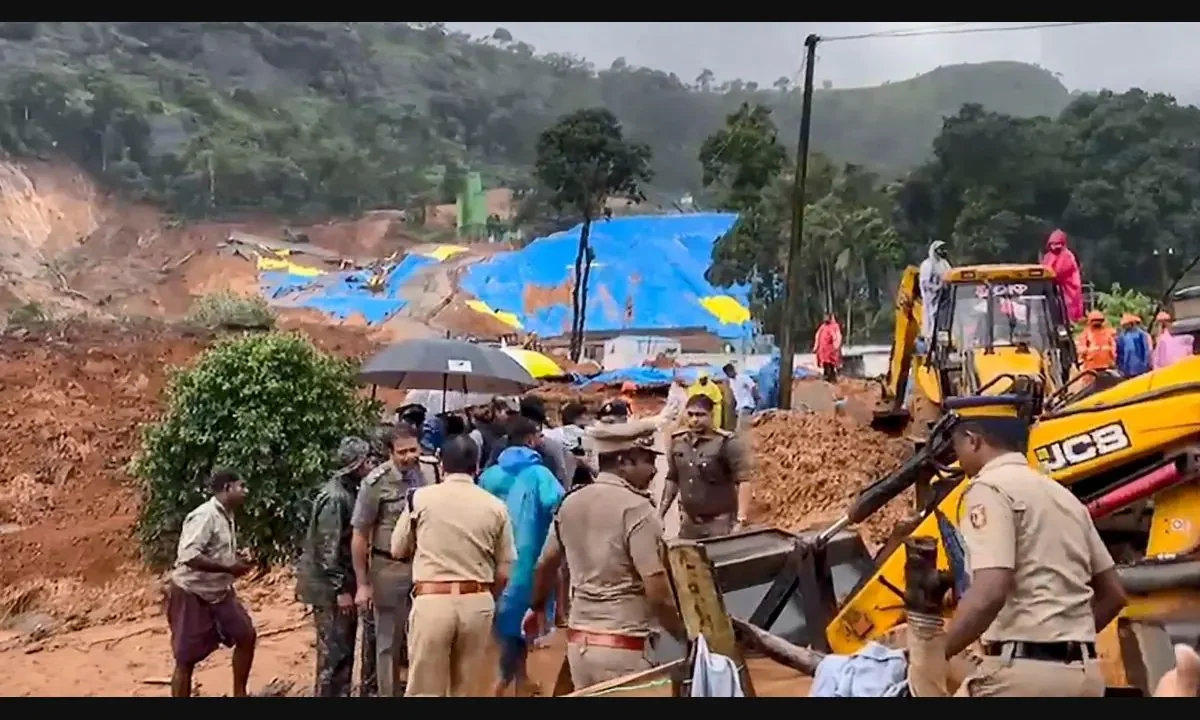
Indiadailyupdate.com – On July 7, 2026, a sudden landslide in Kerala’s Wayanad district left four lives lost and raised urgent questions about the safety of excavation practices near the Meenakshi Bridge in Kalladi. The disaster, triggered by the collapse of a hillside, highlighted how excavated earth from tunnel construction can transform into a deadly force when not properly managed. Eyewitnesses reported that the mud surged with such speed that nobody had time to escape, swallowing vehicles, crushing buildings, and burying workers in seconds.
The Unscientific Ditching of Excavated Earth
State Minister T Siddique emphasized during an emergency briefing that the landslide was not a natural event but a man-made catastrophe. “The unscientific dumping of excavated earth has destabilized the slopes, creating a perfect storm for disaster,” he stated. The Wayanad-Kalladi tunnel project, which had been paused due to heavy downpours since Sunday, continued to accumulate debris in the surrounding area. Siddique noted that a warning had been issued during a meeting with Konkan Railway officials about the risks of slope instability during rainfall, yet preventive measures like proper drainage and soil reinforcement were overlooked.
Human Negligence in the Face of Nature
Chief Minister V D Satheesan defended the government’s response, asserting that the collapse was due to delayed removal of mud heaps rather than a lack of weather alerts. “Even as rain intensified, the work continued, and the responsibility lies with those who failed to act on the warnings,” he said. This sentiment was echoed by local residents and engineers, who pointed to the consequences of ignoring safety protocols. The disaster underscored how nobody had time to escape when the hillside gave way, with structures and vehicles being completely engulfed in a matter of seconds.
Survivors recounted the chaos as the earth gave way. “It was like a wall of water,” said one witness. “The tunnel entrance, which we thought was secure, collapsed instantly, and the mud rushed through like a river. We saw people trying to climb out, but the debris was too fast and too heavy.” Others described the scene as eerily silent after the collapse, with only the sound of machinery being crushed and the cries of trapped individuals echoing through the valley. The area, known for its steep terrain and heavy monsoon rains, had long been a site of concern for geologists and engineers.
The government’s investigation into the incident has focused on the tunnel project’s operational practices. A senior official confirmed that seven people were still missing as of the following day, with vehicles and machinery buried under the landslide. “The mud was still moving when we arrived, and it’s possible more individuals were swept away than initially reported,” they said. The disaster has sparked debates about the adequacy of safety guidelines and the need for stricter oversight in construction projects that operate in ecologically sensitive regions. Experts warn that similar incidents could occur if excavation activities are not carefully monitored, especially during periods of heavy rainfall.
Historical Context and Environmental Risks
Kerala’s history with landslides dates back decades, with Wayanad district frequently affected by slope failures due to its hilly topography and heavy monsoon seasons. The 2026 landslide adds to a growing list of such events, raising concerns about the cumulative impact of construction activities. The Wayanad-Kalladi tunnel, part of a larger infrastructure project, had been criticized for its environmental footprint even before the disaster. Local activists had raised alarms about the risk of destabilizing the region’s fragile slopes, but their warnings were largely dismissed by authorities.
As the investigation continues, the focus remains on how the accumulation of excavated earth contributed to the disaster. “The slope was already weakened by prior construction, and the additional load from dumped soil acted as the final trigger,” explained an environmental engineer interviewed by The Week. The incident has also drawn attention to the need for better coordination between construction teams and geotechnical experts. With nobody had time to escape, the tragedy serves as a stark reminder of the dangers posed by human activity in areas prone to natural disasters. Officials are now under pressure to implement stricter protocols to prevent similar incidents in the future.