SIR in Karnataka: Extended Deadline for House Verification
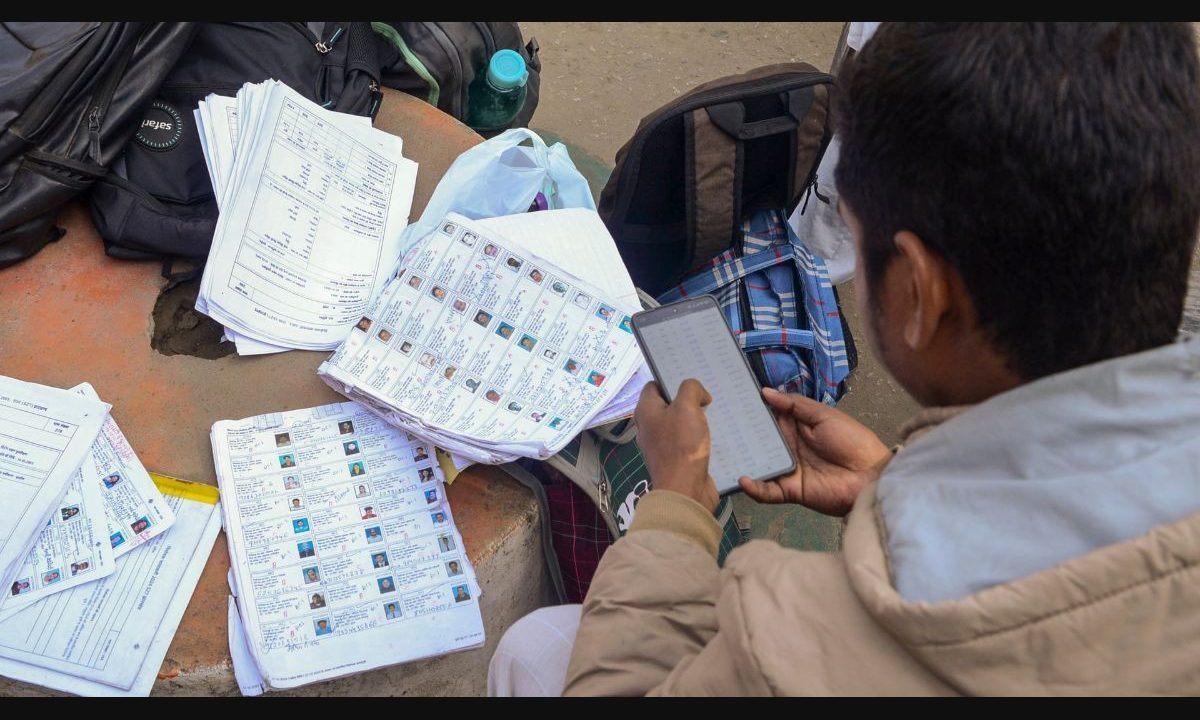
Indiadailyupdate.com – SIR in Karnataka has seen a significant extension in its timeline as the Election Commission announced a nine-day extension for house-to-house verification of the Special Intensive Revision (SIR) electoral rolls. The revised deadline for submitting enumeration forms is now August 17, 2026, up from the original August 8 deadline. This crucial extension provides Booth Level Officers (BLOs) with additional time to physically verify electors who have been categorized under the Absent, Shifted, Dead, Duplicate and Others (ASDDO) classification.
The publication schedule for electoral rolls has also been adjusted accordingly. The draft electoral roll, previously scheduled for August 17, will now be published on August 24. Meanwhile, the final electoral roll publication has been moved from October 19 to October 27. These adjustments reflect the complexity of the verification process and ensure comprehensive coverage of all electors requiring field verification.
According to the Chief Electoral Officer’s latest comprehensive data, Karnataka has successfully digitised 5,54,32,132 enumeration forms, which includes both standard EFs and ASDDO cases combined. Only 182 forms remain pending digitisation, demonstrating the near-completion of this phase. However, the state continues to face challenges with an unusually high number of electors requiring physical verification during the ongoing SIR in Karnataka exercise.
Karnataka has classified 1,09,83,901 electors—representing 19.81 per cent of the state’s total electorate—as ASDDO, making it one of the states with the highest proportion of electors requiring further verification.
Why Karnataka Faces Higher ASDDO Cases
The ASDDO classification breakdown reveals significant insights into Karnataka’s electoral landscape. The largest component comprises 66,14,954 permanently shifted voters, accounting for 11.93 per cent of the electorate. This is followed by 15,90,165 untraceable or absent electors (2.87 per cent), 16,34,326 deceased voters (2.95 per cent), 6,96,536 voters already enrolled elsewhere (1.26 per cent), and 4,47,920 others (0.81 per cent).
Bengaluru Leads ASDDO Numbers
Bengaluru has emerged as the most challenging district for the SIR in Karnataka verification process. Of the state’s total ASDDO electors, nearly 49.4 lakh are from Bengaluru, representing more than 45 per cent of all ASDDO cases despite the city’s smaller share of the state’s overall electorate. Within BBMP limits, several Assembly segments have close to half their electorate marked for verification, highlighting the urban migration patterns and residential changes in the metropolitan area.
Comparison with Other States
Karnataka’s ASDDO rate of 19.81 per cent stands substantially higher than the net voter reductions reported after SIR in Karnataka and similar exercises in other states. Election Commission data reveals approximate reductions of 14.5 per cent in Gujarat, 13.2 per cent in Uttar Pradesh, 11.8 per cent in Chhattisgarh, 10.9 per cent in West Bengal, and about 6 per cent in Madhya Pradesh and Rajasthan following their respective revisions.
Since almost every enumeration form has been digitised, the remaining work focuses on ensuring that electors classified as absent or shifted are correctly verified and that eligible voters are not omitted from the final roll. The poll panel has maintained its enrolment drive throughout the extension period. Between June 16 and August 6, authorities received 12.43 lakh statutory applications, including 3.83 lakh Form 6 applications for new voter registration, 8.25 lakh Form 8 applications for corrections, 31,275 Form 7 applications for deletion, and 3,328 Form 6A applications.
Nearly 6.99 lakh electors also submitted their Enumeration Forms through online channels, demonstrating increasing digital adoption in the electoral process. The revised schedule provides election authorities with an additional window to add wrongly marked or missed out voters to the draft roll, ensuring comprehensive coverage before the final publication.
Frequently Asked Questions About SIR in Karnataka
Q: What is the new deadline for SIR in Karnataka house verification? A: The extended deadline for submitting enumeration forms is August 17, 2026, providing a nine-day extension from the original August 8 deadline.
Q: How many electors in Karnataka are classified as ASDDO? A: A total of 1,09,83,901 electors, representing 19.81 per cent of Karnataka’s electorate, have been classified under the ASDDO category.
Q: When will the final electoral roll be published? A: The final electoral roll for Karnataka will now be published on October 27, 2026, instead of the original October 19 date.
Q: Which district has the highest ASDDO cases in Karnataka? A: Bengaluru accounts for more than 45 per cent of all ASDDO cases in the state, with nearly 49.4 lakh electors requiring verification.
Q: What types of applications are being received during the extension period? A: Authorities have received various applications including Form 6 for new registration, Form 8 for corrections, Form 7 for deletion, and Form 6A for overseas voters.