Vijay Government Takes On Madras High Court’s Cow Slaughter Ban in Supreme Court
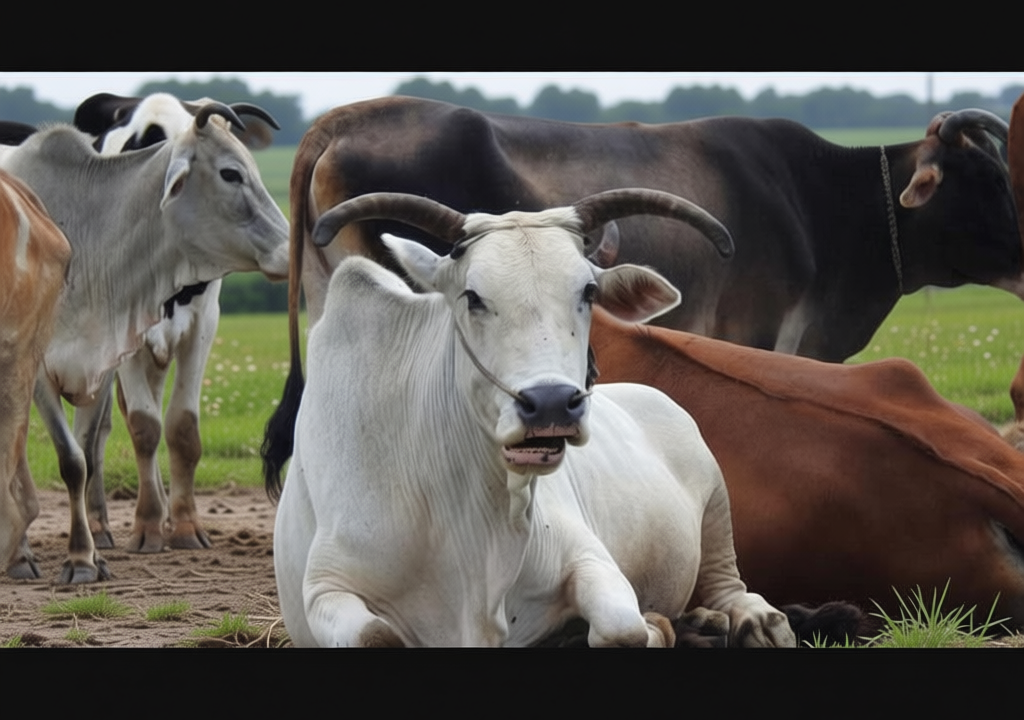
Indiadailyupdate.com – The Tamil Nadu administration has initiated a legal challenge at the Supreme Court against a Madras High Court directive that mandated a comprehensive prohibition on cow and calf slaughter. The order, issued on May 27, instructed the Chief Secretary and senior police officials to enforce the ban, effective both on the eve of Bakrid and throughout the year.
High Court’s Directive Anchored in 1976 Order
The ruling was grounded in a 1976 government directive, which asserted that restricting cow slaughter was essential for boosting milk production and enhancing rural economic conditions. The decision was handed down by a bench comprising Justice G.R. Swaminathan and Justice V. Lakshminarayan, following a petition submitted by K. Surya Prasanth, the general secretary of Hindu Makkal Katchi.
Government Argues Against Total Ban
In its appeal, the Tamil Nadu government emphasized that the High Court’s order conflicted with the Tamil Nadu Animal Preservation Act of 1958. This law allows the slaughter of cows aged over 10 years that are no longer fit for labor or reproduction, provided they are certified by a qualified authority.
The government contended that the High Court had replaced statutory law with judicial legislation by enforcing a complete ban, which ignores existing regulations.
Additional arguments highlighted that other legal frameworks, such as the Prevention of Cruelty to Animals Act of 1960, the 2001 Slaughter House Rules, and the Tamil Nadu Urban Local Bodies Rules of 2023, already govern slaughter conditions. These laws do not mandate an outright prohibition, the administration noted, suggesting the High Court’s approach was inconsistent with prior legislative intent.